
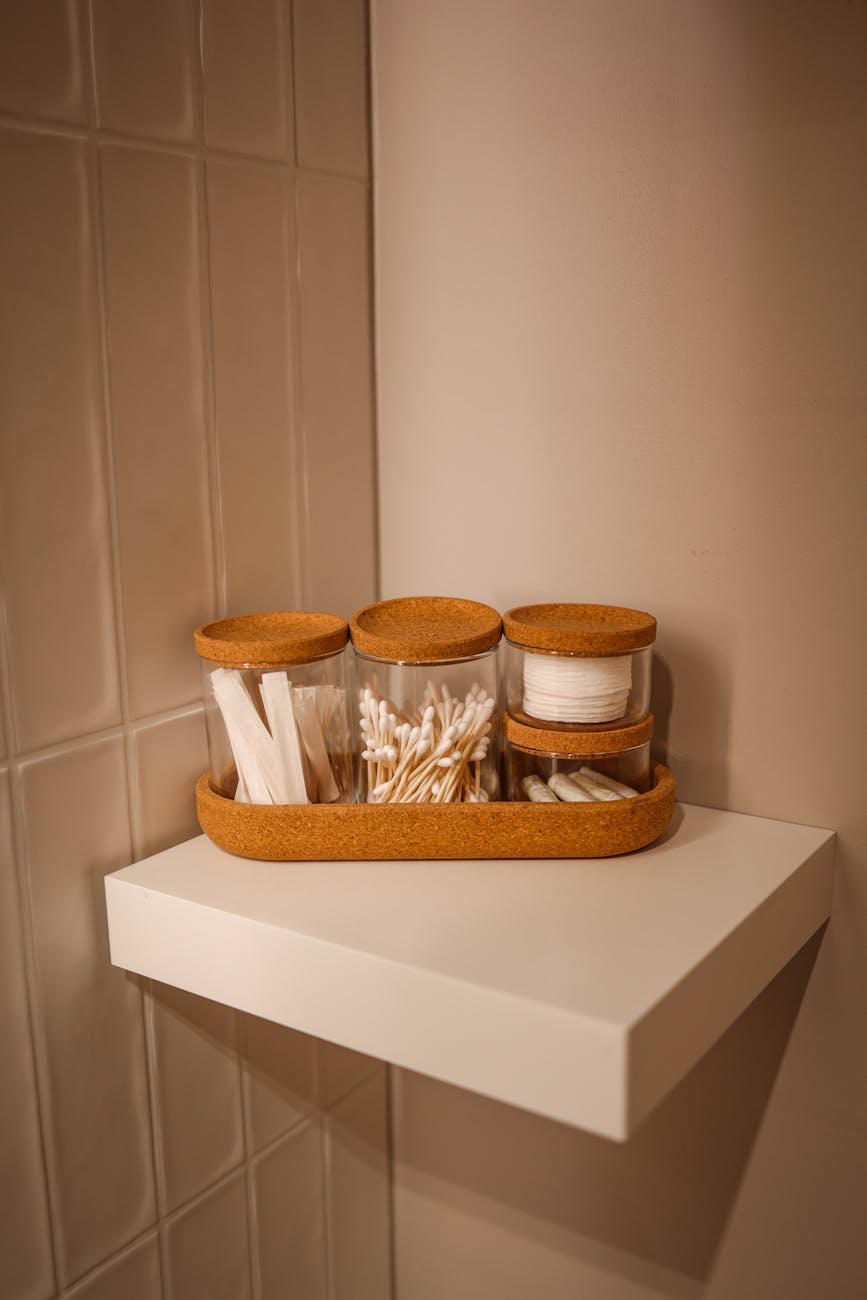
Mastering Bathroom Storage Solutions for Optimal Coziness
The bathroom, often perceived as a utilitarian space, presents a unique challenge when aiming for true coziness; it demands functionality while simultaneously cultivating an atmosphere of relaxation. We observe from the data that visual clutter directly correlates with increased psychological stress, making effective **bathroom storage solutions** not merely about hiding items but about engineering an environment conducive to tranquility. When we address organization in this area, we are essentially manipulating spatial perception and reducing cognitive load for every user.
The goal is to transition the bathroom from a chaotic storage zone into a curated sanctuary. This transformation requires a systematic approach, focusing on how objects interact with the physical space and how that interaction affects our daily experience. Poor storage forces items into awkward configurations, creating visual noise that disrupts the desired aesthetic harmony. Smart design addresses this friction point directly.
Deconstructing Clutter: The Mechanism of Visual Overload
Clutter in a bathroom typically stems from an imbalance between the volume of objects and the available surface area. When drawers overflow or shelves become densely packed with miscellaneous items, the visual field becomes saturated. This saturation triggers an involuntary response where the brain expends unnecessary processing power simply to register the mess. We need systems that manage density efficiently.
Consider the surfaces: countertops, medicine cabinets, and shelving units are prime real estate. If these spaces are utilized inefficiently, they cease functioning as aesthetic elements and become mere dumping grounds. Implementing specific **bathroom storage solutions** necessitates analyzing the flow of objects—how we use them daily—to determine appropriate containment methods. We must move beyond simple aesthetics and engage with spatial mechanics.
Selecting Storage Architectures for Bathroom Environments
The choice of storage apparatus dictates the success of the entire organizational strategy. Some systems prioritize vertical space, others maximize accessible volume. Understanding these principles allows us to select components that integrate seamlessly into a cozy design scheme.
For narrow spaces or areas where depth is limited, vertical utilization becomes paramount. Tall, narrow shelving units draw the eye upward, elongating the perceived space and minimizing horizontal visual obstruction. This strategy works exceptionally well when integrating elements of Spa Bathroom Decor: Create Your Serene Sanctuary (https://decorandliving.com/spa-inspired-bathroom-decor/). The goal here is to create an airy feel, avoiding the feeling of being hemmed in by bulky items.
Conversely, for maximizing usable capacity in standard setups, drawer systems and cabinet interiors must be optimized with internal dividers and specialized organizers. We look at the materials and the arrangement inside these containers as much as the containers themselves. Utilizing clear acrylic or bamboo organizers allows for immediate visual inventory, which prevents the need to rummage through opaque containers repeatedly. This transparency is a key mechanism for reducing retrieval time and associated frustration.
Specialized Solutions for Different Bathroom Zones
Different areas of the bathroom require distinct organizational approaches based on the type of contents being stored. The shower area presents unique challenges regarding moisture resistance and accessibility.
Shower and Linen Storage Strategies
The shower environment demands solutions that resist humidity and manage bulk effectively. Hanging storage, utilizing sturdy, moisture-resistant hooks or specialized shelving placed strategically, can eliminate the need for bulky caddies that collect moisture and become difficult to clean. For linen storage, maximizing vertical space above the toilet or within a recessed niche offers an elegant solution. Textiles, such as towels, should be stored in ways that allow air circulation; tightly folded stacks on open shelving compress the fibers and promote mildew growth. We observe that breathable storage methods maintain material integrity while promoting hygiene.
Countertop and Vanity Organization
The vanity surface is often the nexus of daily routines, making its organization critical for morning efficiency and overall visual calm. Instead of scattering bottles and toiletries across the counter, implementing tiered organizers or pull-out drawer inserts allows items to be compartmentalized logically. This compartmentalization creates distinct zones for different product types, preventing cross-contamination of visual space. When we adopt this principle, the surface shifts from a cluttered work station to a serene display area, aligning perfectly with the principles found in Cozy Autumn Harvest: Fall Textile Trends for Warm Home Decor (https://decorandliving.com/cozy-autumn-fall-textile-trends/).
Materiality and Aesthetic Integration
The materials employed in bathroom storage profoundly influence the perceived coziness of the space. A functional system should not only organize objects but also contribute positively to the sensory experience. Natural woods, matte ceramics, and woven baskets introduce organic textures that counteract the starkness often associated with plastic or cold metals.
When selecting hardware and organizational bins, consider texture alongside capacity. A smooth, matte white shelf feels clean; a woven rattan basket introduces an earthy, tactile quality that enhances warmth. This intentional materiality shifts the storage from being purely functional to being an integrated design feature. The textures we introduce influence how we interact with the space throughout the day.
The Psychological Impact of Streamlined Storage
The ultimate benefit of effective **bathroom storage solutions** transcends mere tidiness; it directly impacts mental well-being. A visually organized space reduces the ambient level of perceived chaos. When entering a clutter-free room, the immediate cognitive response is one of ease and calm. This reduced visual noise frees up mental bandwidth for other activities.
We are essentially reducing the amount of visual information the brain must process continuously. This creates an internal state that mirrors the external environment; a streamlined space fosters a sense of control, which is inherently cozy. Research suggests that environments perceived as controlled reduce physiological stress markers. Therefore, optimizing storage becomes a form of interior environmental therapy.
Implementing the Strategy: A Step-by-Step Analytical Process
To move from concept to realized organization, we follow a defined analytical pathway. First, conduct an audit of the existing space, mapping where items accumulate and measuring the actual surface area utilization versus potential volume capacity. Second, define the functional requirements for each zone—what needs to be accessed frequently versus what can be stored less often. Third, select storage modalities that match these requirements, prioritizing systems that enhance verticality where possible.
When installing new solutions, focus on creating seamless transitions between zones. Avoid introducing jarring visual breaks by using coordinating colors or similar material finishes across all elements. Think of the entire bathroom as a single, cohesive design unit rather than a collection of disparate storage boxes. This holistic approach ensures the resulting aesthetic achieves the desired cozy atmosphere without sacrificing functionality. The process demands patience; iterative adjustments often yield the most satisfying structural results.
Tags: bathroom organization, bathroom storage, home decor, bathroom design, clutter-free, cozy home
Featured Image by Valeria Boltneva on Pexels.