
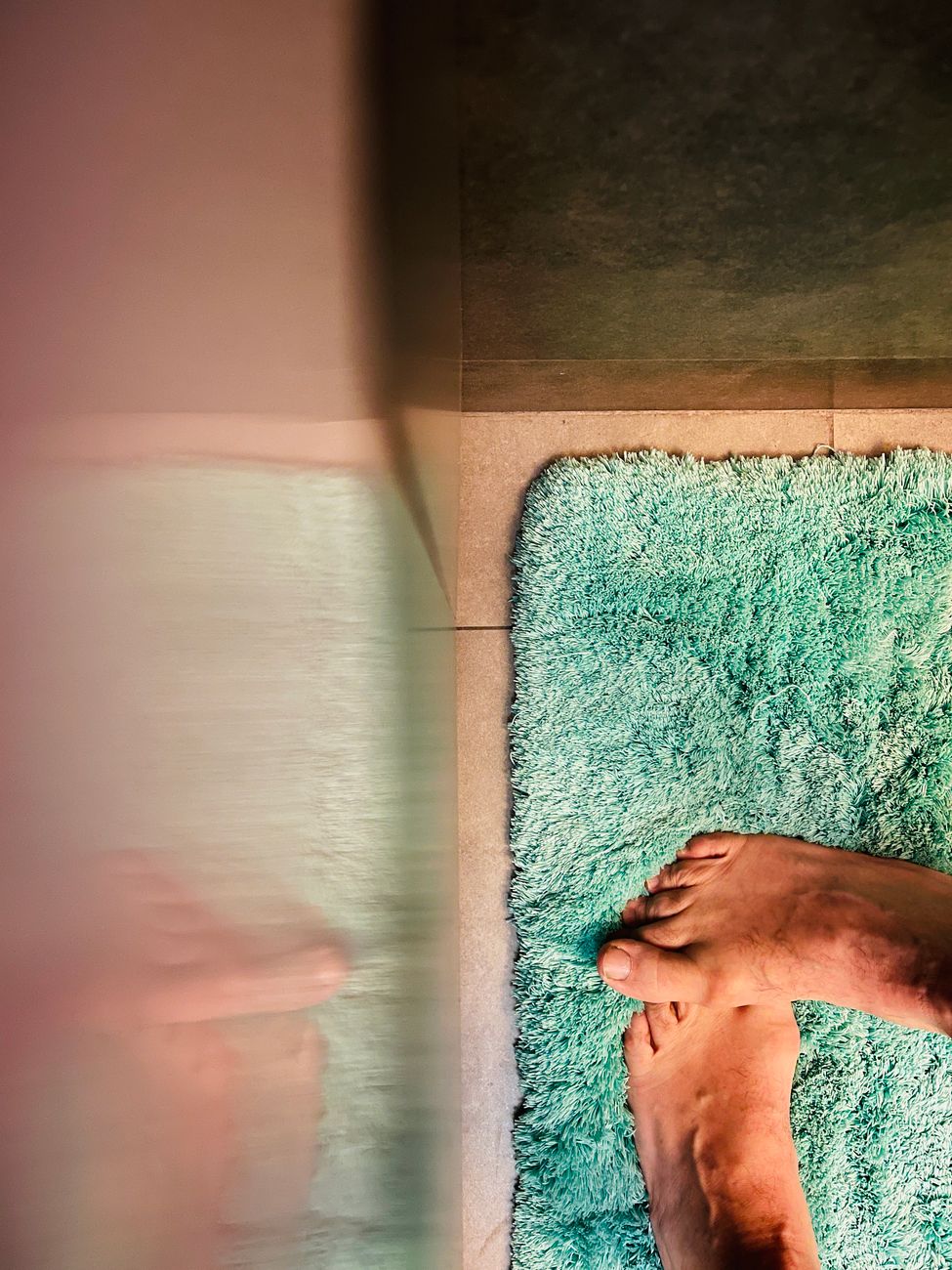
The Science of Softness: Decoding Cozy Bathroom Textiles
We observe a distinct shift in interior design prioritizing tactile experience, particularly within personal sanctuaries like the bathroom. The move toward **cozy bathroom textiles** is not merely an aesthetic choice; it represents a deliberate manipulation of sensory input to elicit feelings of comfort and immediate relaxation. The materials we select directly influence the perceived temperature, acoustics, and visual depth of a space. Understanding this mechanism allows us to move beyond simple trend-following and engage in intentional material selection.
The functional utility of bath mats and rugs extends far beyond simple floor coverage; they act as tactile anchors that define the room’s atmosphere. When we introduce high-pile, luxuriously textured fabrics into the bathroom environment, we are calibrating the sensory experience. The friction between the skin and the textile changes how light reflects, how sound dissipates, and how one physically interacts with the space during routine activities. This physical engagement is what translates abstract concepts like “cozy” into tangible sensory reality for the occupant.
Material Science Behind Textile Comfort
The choice of fiber dictates the performance of a bath textile. Natural fibers such as high-quality cotton or bamboo possess inherent absorbency and a soft hand that registers immediately upon contact. Synthetic materials, like specialized microfiber blends or high-density polyesters, offer superior water resistance and durability, which is crucial for a high-moisture environment. We analyze the loft—the height of the pile—as a key metric in determining perceived softness. Higher loft inherently suggests greater volume and a more enveloping sensation.
We see that the interplay between material composition and weave structure determines longevity as much as immediate comfort. A tightly woven, dense surface resists pilling but can feel less inviting underfoot than a looped or brushed surface. In practice, examining the thread count provides a baseline for density, yet the actual feel is determined by the yarn quality and the finishing process applied during manufacturing. This attention to detail elevates these items from mere accessories to functional sensory tools.
Strategic Placement: Defining Zones of Relaxation
The placement of textiles dictates the spatial organization of the bathroom. A thick bath mat placed strategically on a tiled floor immediately demarcates the wet zone, signaling an invitation to pause and relax there. This physical zoning creates micro-environments within the larger room. Consider how this principle scales across the entire dwelling; the same tactile logic applies when selecting bedding or area rugs in other high-touch zones.
When designing a spa-inspired sanctuary, the textiles must harmonize with the architectural elements. A plush rug placed near a soaking tub anchors that area, making the transition from standing to sitting feel seamless and indulgent. This integration requires considering the scale of the textile relative to the functional fixtures. We are not just covering a surface; we are engineering an experience. For those seeking a complete sensory immersion, exploring ideas related to [Spa Bathroom Decor: Create Your Serene Sanctuary](https://decorandliving.com/spa-inspired-bathroom-decor/) provides a framework for this holistic approach.
Integrating Textiles into the Larger Home Narrative
The cohesion of a decorated space relies on consistent textural language across different rooms. If the bathroom utilizes rich, deep textures for its textiles, those elements should resonate with the rest of the home’s design vocabulary. This consistency prevents the room from feeling like an isolated statement and instead positions it as an integrated part of a larger, intentional aesthetic.
The concept of layering texture becomes paramount when moving beyond the immediate functional space. Think about the transition from the dampness of the bathroom to the enveloping warmth of the bedroom environment. The textiles used in one area should conceptually bridge the gap to another. This systemic approach enhances the overall feeling of curated coziness throughout the residence.
Textural Echoes Across Spaces
We find that introducing similar plush materials across different zones creates a subconscious sense of continuity. For example, selecting bath rugs with a similar high-pile texture as those used in living areas establishes a tactile rhythm for the inhabitant. This echoes the principles seen when focusing on [Elevate Your Bedroom: Unique Bedding Textures for Cozy Style](https://decorandliving.com/unique-bedding-textures-bedroom/). The effect is that of an enveloping, uninterrupted sense of well-being.
This cross-pollination of texture prevents the design from appearing arbitrary. Instead, it establishes a unified theme where comfort is the overarching principle governing all surfaces, whether they are floor coverings or bed linens. When the sensory input remains consistent, the psychological impact deepens, fostering a sustained state of ease.
Maintenance and Longevity: The Practical Analysis
An important analytical consideration involves the operational reality of these luxurious materials. High-end textiles require specific maintenance protocols to sustain their aesthetic quality. Analyzing the care instructions for your chosen bath mats reveals critical information regarding washing frequency, drying methods, and potential fiber damage. Ignoring these processes leads to premature wear, loss of loft, and eventual textural degradation.
We must assess the material’s capacity for repeated laundering without compromising its structural integrity. Synthetic blends often demonstrate superior resistance to water spotting compared to pure natural fibers, which warrants consideration when selecting textiles for high-use bathroom environments. Understanding these material limitations allows us to select products that perform both aesthetically and functionally over time. Proper care is an investment in maintaining the intended level of coziness.
Current Trends Driving Cozy Bathroom Textiles
The current market trends reinforce the preference for exaggerated softness and visible texture. Designers are exploiting the psychological association between plushness and sanctuary, using textiles as the primary mechanism to achieve this goal. We observe a clear trajectory toward oversized items that command visual space, asserting their presence within the room rather than merely functioning as utilitarian coverings.
Embracing Oversized Statements
The trend leans heavily into larger bath mats and rugs that extend significantly beyond the perimeter of the tub or vanity. This scaling mechanism amplifies the feeling of immersion. A large textile does more than just absorb water; it physically grounds the space in softness, creating an immediate visual focal point that signals luxury upon entry. This strategy capitalizes on the desire for enveloping comfort during downtime.
We see a preference for high-texture variations—shag, faux fur, and deep boucle weaves are increasingly popular because they maximize the tactile feedback mechanism. These surface complexities engage the sense of touch more intensely than flat, smooth materials. The visual density of these fabrics communicates warmth directly to the observer before any verbal description is necessary.
Color Palettes and Tonal Harmony
While texture defines the sensory experience, color dictates the mood. For a truly cozy effect, designers favor muted, earthy tones—creams, warm grays, deep moss greens, and soft terracotta shades. These colors absorb light gently, enhancing the enveloping quality of the plush materials. Bright, high-contrast colors tend to introduce visual energy that works against the goal of deep relaxation. The strategic use of these tonal harmonies ensures that the textiles contribute to a serene, unified atmosphere rather than introducing visual discord. This careful calibration between color temperature and textile choice is essential for achieving true coziness.
Tags: bathroom decor, bath mats, bath rugs, textile trends, cozy home, bathroom style, plush textiles
Featured Image by Marek Korzeniowski on Pexels.