
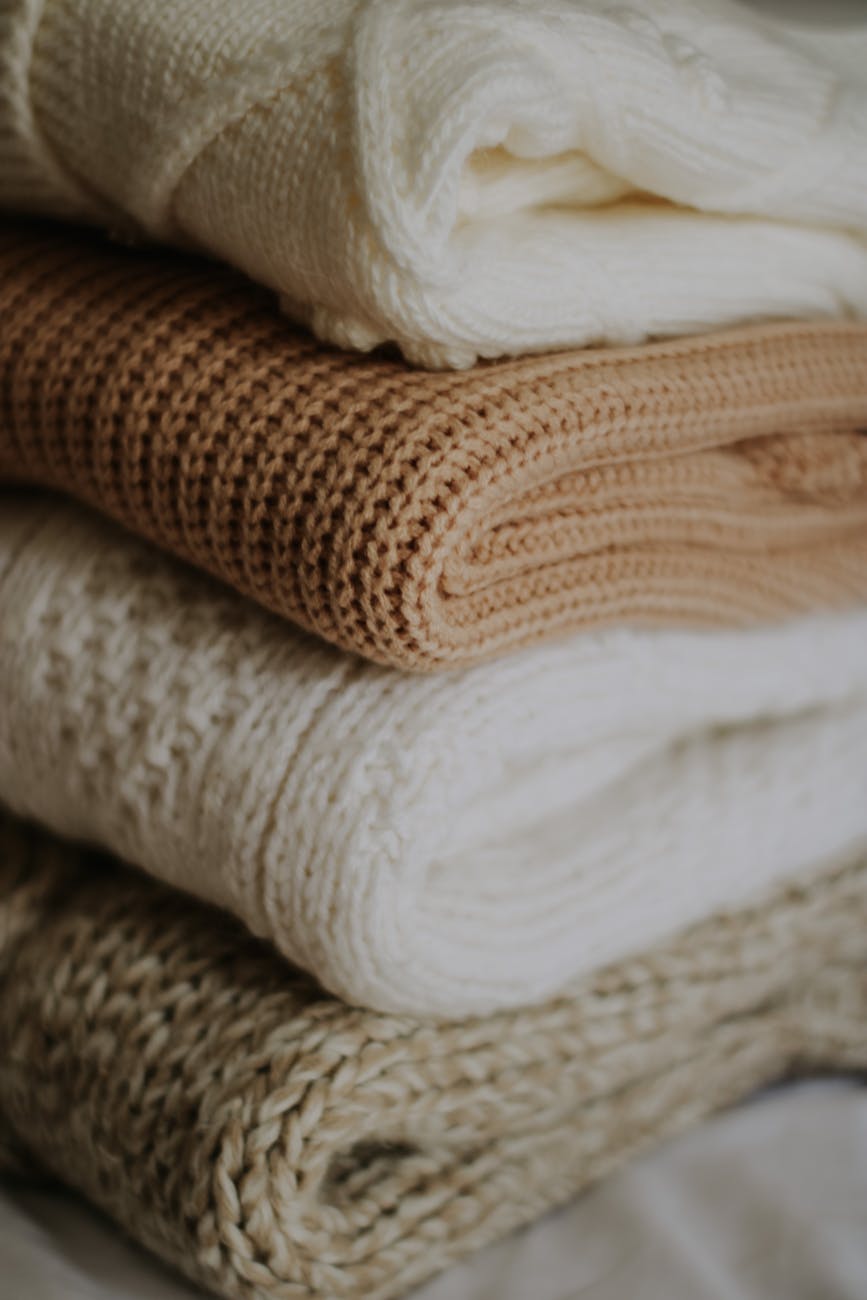
The Mechanics of Textile Layering in Kitchen Design
The surface area of a kitchen demands specific textural consideration. It is the primary zone where functional necessity meets atmospheric desire, meaning the textiles we introduce must perform a dual function: absorb visual noise and modulate thermal perception. We observe that simply placing a mat on the floor does not achieve true aesthetic layering; success lies in understanding how different textile weights and fibers interact with light and touch across a defined space. This process moves beyond mere decoration; it is an exercise in applied spatial psychology.
We are discussing the strategic deployment of kitchen textiles cozy. This involves manipulating visual depth, defining zones within the room, and introducing tactile warmth that counters the often stark, utilitarian nature of kitchen environments. Think about the materials themselves. A heavy, high-pile wool rug introduces significant visual mass. This mass anchors the space, preventing the perception of emptiness, which is crucial when dealing with hard surfaces like tile or concrete. Conversely, a fine linen runner offers textural contrast without overwhelming the visual plane.
Establishing Foundational Layers Through Rug Placement
The placement of floor coverings sets the primary spatial framework for any kitchen design. When selecting rugs for this application, we must analyze the substrate beneath them and the intended flow patterns. A large area rug acts as an immediate anchor, dictating the boundaries of the dining or workspace zone. Observe how the visual weight shifts when a thick shag rug is introduced versus a thin jute runner. The physical interaction between the textile fibers and the underlying hard flooring dictates whether the space feels grounded or floating.
We found that utilizing deep colors within these foundational layers amplifies coziness exponentially. When employing palettes drawn from Moody Jewel Tones: Mastering Deep Colors for Cozy Interiors, the dark tones absorb ambient light, creating pockets of visual intimacy on the floor plane. This effect is amplified when the textile itself possesses a soft, matte finish, preventing harsh reflections. The goal here is not just to cover the floor but to create an immersive, enveloping field where activity feels slower and more deliberate.
Integrating Textiles for Functional Zones
Kitchens are inherently multi-functional zones. We can use textiles to delineate these functions without erecting physical barriers. A runner placed beneath a dining area rug, for example, signals that this specific zone is dedicated to gathering and comfort. This layering creates nested spaces. Consider the transition from the countertop’s hard, cool surface to the warmer textile plane immediately adjacent. This juxtaposition is where the sensory experience of the kitchen transforms.
Towels and dishcloths should be integrated intentionally rather than merely hung up. High-quality, thick cotton or waffle weaves provide immediate tactile reassurance. When a hand reaches out to dry hands, the texture communicates care. We see that using plush towels in visible spots—perhaps draped over a stool or hanging near the sink—injects necessary softness into functional zones. This repetition of soft texture across various items builds coherence throughout the space.
The Role of Runners and Accent Pieces
Runners operate on a different dimensional scale than area rugs; they manage linear flow. A runner laid along a breakfast bar or an island edge directs the eye horizontally, pulling focus toward the central activity. The length and drape of the fabric become critical variables here. A long, flowing silk runner introduces a sense of opulent movement, whereas a tightly woven cotton runner suggests grounded utility.
This is where visual tension can be expertly managed. If you are using bold color in your larger rug, selecting a neutral or subtly contrasting runner allows that primary piece to remain the focal point while still contributing textural warmth. The contrast between the matte texture of the rug and the subtle sheen of the runner creates a dynamic interplay across the floor plane. This manipulation of visual hierarchy enhances the perceived depth.
Material Science and Sensory Impact
The material dictates the outcome more than the pattern alone. We must analyze thread count, fiber composition, and weave density. A high thread count in a throw blanket translates directly into a softer hand and increased surface density against the skin. For kitchen environments, durability is also an observable metric; textiles must withstand frequent use and potential moisture exposure without compromising their soft structure.
When considering thermal properties, natural fibers like wool or thick cotton exhibit superior thermal regulation compared to synthetic blends in terms of ambient perceived warmth. This mechanism directly contributes to the feeling of coziness. We are not just decorating surfaces; we are engineering a sensory experience where the environment actively supports relaxation. Understanding how these materials interact with temperature helps dictate material selection for high-traffic areas like kitchen textiles cozy.
Lighting and Textile Synergy
The interaction between textile layering and illumination is another critical mechanism in creating an inviting space. Consider the effect of overhead lighting versus localized, warm accent lighting. When ambient light is dim, the texture of the textiles becomes more pronounced; shadows play across the pile, emphasizing depth and softness. This effect deepens the cozy atmosphere instantly.
When pairing textiles with specific lighting schemes, the correlation is strong. For instance, utilizing Cozy Kitchen Lighting: Creating Warm Ambiance for Dining means that the warm glow reflects off the soft fibers, intensifying their inviting quality. A cool, harsh light will flatten the texture and negate the intended effect of layering. The goal is to use illumination to enhance the tactile experience provided by the textiles, making the space feel intentionally curated and deeply comfortable.
Practical Application: Building a Cohesive Kitchen Narrative
Achieving true cohesion requires treating all textiles as components of a single narrative rather than separate decorative items. We observe that mixing textures successfully relies on maintaining a consistent tonal relationship. If your kitchen features deep blues and warm creams, the layered textiles should echo this chromatic harmony. A vibrant, contrasting pattern in one area might feel jarring unless carefully balanced by highly textural, neutral pieces elsewhere.
Think about how these layers influence daily interaction. When someone walks across the kitchen floor, the transition from a cool tile to a soft rug provides an immediate physical signal that they have entered a relaxed zone. This subconscious processing is powerful. We are designing spaces where function seamlessly morphs into comfort through strategic textile deployment. The result is a kitchen that functions perfectly while simultaneously enveloping its occupants in warmth and tranquility.
Tags: kitchen decor, cozy home, textile styling, kitchen textiles, warm aesthetic, home textiles, kitchen design
Featured Image by Nati on Pexels.