
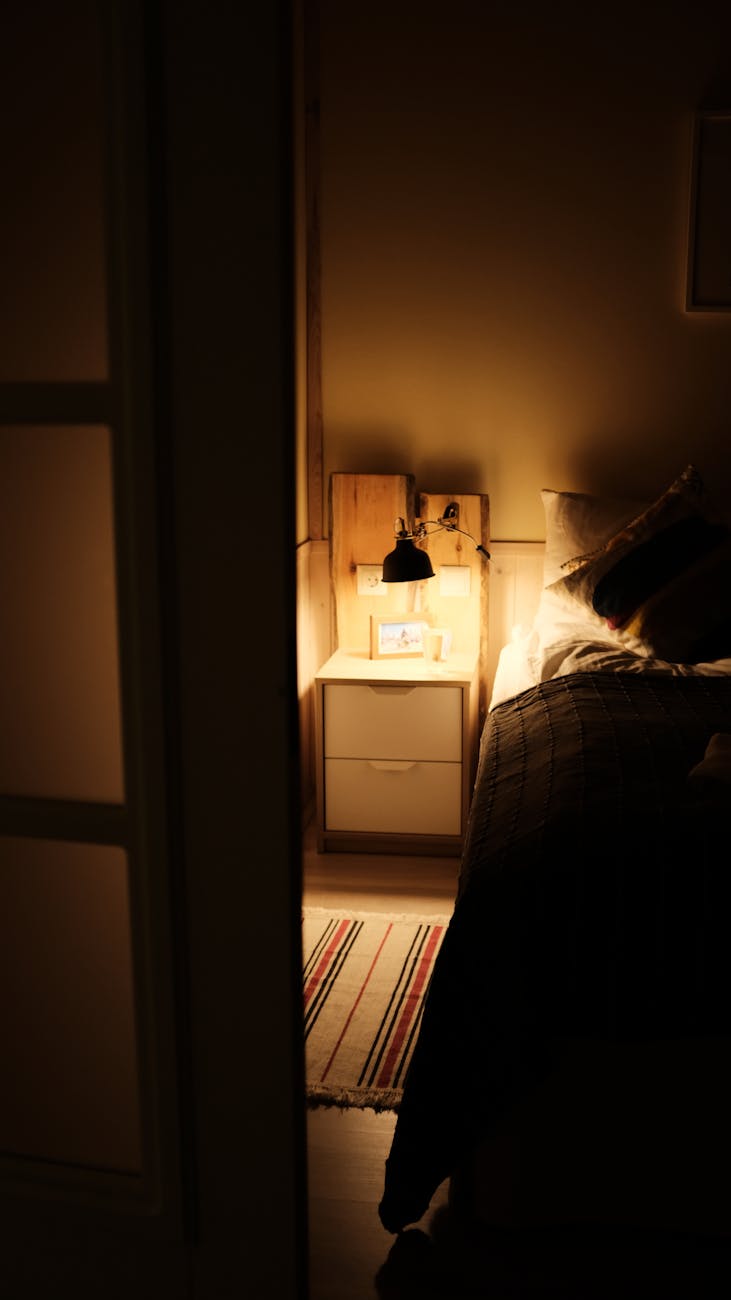
The Science of Warmth: Decoding Light Temperatures for Bedroom Ambiance
Creating a truly cozy bedroom is less about selecting pretty lamps and more about manipulating the spectral quality of the light hitting your space. We observe from the data that color temperature, measured in Kelvin (K), directly dictates the psychological response of our environment. Higher Kelvin values produce cooler, bluer light, which stimulates alertness suitable for task-oriented activities like working or reading reports. Conversely, lower Kelvin settings—those below 3000K—emit a warmer, more amber tone, mimicking the light spectrum of candlelight or sunset. This shift in perceived color impacts melatonin suppression and circadian rhythm regulation; warmer light signals to the brain that it is time to wind down and initiate sleep cycles. Understanding this relationship allows us to engineer an optimal sleeping environment, moving beyond mere aesthetic choices into physiological design.
Establishing the Optimal Kelvin Range for Sleep
The transition from bright daytime illumination to restful nighttime ambiance requires a deliberate reduction in light intensity and a corresponding shift in spectral output. For bedroom applications, the consensus points toward maintaining a color temperature below 3000K. This range effectively signals restfulness to the visual cortex. When designing your space for ultimate cozy bedroom lighting, we must focus on achieving this low-intensity warmth consistently across all light sources.
We see significant functional differences between various temperature settings in practice. Light sources operating above 4000K introduce a high level of blue wavelengths, which actively inhibit the production of melatonin, the hormone essential for initiating sleep. This mechanism is rooted in how photoreceptors in the eye interpret the light spectrum and communicate with the suprachiasmatic nucleus in the brain that governs our internal clock. Therefore, intentionally selecting bulbs rated between 2700K and 3000K serves as a primary architectural tool for sleep hygiene.
Layering Light Sources for Depth and Dimension
Relying on a single overhead fixture introduces flat, undifferentiated illumination, which is the antithesis of coziness. True ambiance arises from layering light sources at varying intensities and color temperatures across different planes in the room. This technique creates visual depth and allows occupants to modulate the mood according to their immediate need. We design this layering by integrating ambient, task, and accent lighting simultaneously.
Ambient lighting should provide a soft, general wash, often achieved through indirect sources or dimmable fixtures placed strategically away from direct view. Task lighting targets specific activities, such as reading in bed or dressing, demanding slightly higher localized illumination, though still maintaining a warm tone. Accent lighting then draws attention to architectural features or decorative elements, providing focal points that enhance the tactile quality of the space.
For instance, consider how different materials interact with light. A matte finish absorbs some light, softening harsh reflections, whereas a semi-gloss surface disperses it more evenly. When applying this principle, textures become amplified. Think about incorporating textiles; soft linen or chunky knit throws scatter light in a diffused manner, enhancing the sense of enveloping warmth. This visual texture complements the physical feeling of coziness we seek to achieve.
Fixture Selection: Materiality and Diffusion Mechanics
The physical fixture itself plays a crucial role in how light interacts with the space. The material composition determines the quality of the emitted light—how evenly it spreads and how warm it appears. We analyze this through the lens of light diffusion, which is the process by which light is scattered.
Reflectivity Versus Absorption
Materials are categorized based on their reflectance values. Highly reflective surfaces bounce light efficiently across the room, increasing overall perceived brightness, whereas highly absorptive surfaces absorb photons, creating pockets of shadow and intimacy. In a cozy setting, we favor materials that promote diffusion rather than harsh specular reflection. Matte finishes excel here; they scatter light gently, preventing distracting glare and contributing to an enveloping feel. Highly polished metals, while beautiful, can create sharp highlights that disrupt the soft flow essential for rest.
When selecting lamps and fixtures, examine the surface treatment closely. Consider the base material of a lamp or the shade material of a pendant. A fabric shade, for example, acts as a physical filter, softening the raw output of the bulb and introducing a layer of textural warmth over the light itself. This mechanical filtering is key to achieving that desired warm glow without relying solely on the bulb’s color temperature setting.
The Role of Fixture Placement in Creating Retreats
The spatial arrangement of lighting dictates the functional zones within the bedroom. We position fixtures not just for illumination, but for psychological framing. A bedside lamp should function as a localized source, designed specifically to illuminate a reading area or create a small pool of warm light near the headboard. This creates an immediate zone of intimacy.
When styling your space, this intentional placement feeds into broader design strategies. For example, establishing distinct zones requires careful visual hierarchy. If you are curating a living space vignette, similar principles apply: define areas through light. Intentional styling of a cozy corner living-room vignette relies heavily on carefully positioned lamps to draw focus to the textiles and objects within that defined space, making the area feel intentionally curated rather than simply lit.
Beyond the Bulb: Integrating Lighting into Holistic Decor
The achievement of deep cozy bedroom lighting requires integrating the light strategy with the surrounding decor elements. Light is not an isolated variable; it interacts dynamically with color palettes, textures, and spatial organization to produce the final sensory experience. We move from functional illumination to atmospheric design.
Color Psychology in Bedroom Design
The psychological impact of light shifts dramatically based on the context. Warm tones—reds, oranges, and ambers—are intrinsically linked to comfort, warmth, and relaxation; they stimulate vasodilation and promote feelings associated with safety. Cool tones, conversely, are associated with energy and alertness. By consistently utilizing warm spectral output in the bedroom, we condition the space to support restorative sleep patterns.
This principle extends beyond the immediate light source. The color palette of your walls, bedding, and decorative accessories must harmonize with the chosen light temperature. A cool gray room bathed in warm yellow light will still feel cozy because the light itself signals warmth, overriding the coolness of the background color. Conversely, using overly saturated, cool-toned decor against a warm glow can create an unsettling contrast.
Textures as Light Modulators
The tactile quality of your decor directly influences the perceived coziness generated by the lighting system. Rougher, deeply textured materials absorb and scatter light in complex ways that enhance shadow play, adding visual depth. Smooth, reflective surfaces create sharp reflections that fragment the soft glow. This interplay between material texture and light diffusion is critical for advanced ambiance creation.
When selecting textiles—such as those mentioned when considering DIY Textured Throw Pillows: Linen & Knit Stitches for Cozy Comfort—you are selecting materials that inherently soften light. The unevenness of the weave ensures that light is diffused rather than reflected sharply. This physical quality reinforces the visual promise of warmth emanating from the carefully calibrated lighting scheme.
Practical Application: Designing Your Retreat
To implement these principles, start with the foundation: select dimmable smart bulbs offering tunable white capabilities in the 2700K to 3000K range. Install dimmer switches at every light source. Then, map out your space, defining where ambient, task, and accent lights will reside. Test the effect before committing to permanent fixtures. Observe how the light interacts with your favorite textiles. This iterative process allows you to calibrate the environmental response until it achieves the desired state of sanctuary. Mastering these mechanisms transforms mere illumination into an active tool for creating a deeply restorative and undeniably cozy retreat.
Tags: bedroom lighting, cozy decor, warm light, ambient lighting, bedroom design, home ambiance, light temperature
Featured Image by Kristina Snowasp on Pexels.