The Sensory Science of Natural Bathroom Textiles
When designing a bathroom space, we are not simply selecting fabrics for decoration; we are engineering an environment designed to modulate sensory input. The materials we choose directly influence the tactile experience, the visual atmosphere, and the psychological state of the occupant. This is why focusing on natural bathroom textiles moves beyond mere aesthetics into the realm of functional interior design science. We observe that synthetic materials often introduce a barrier to thermal regulation and sensory comfort, whereas organic fibers actively participate in creating a restorative space.
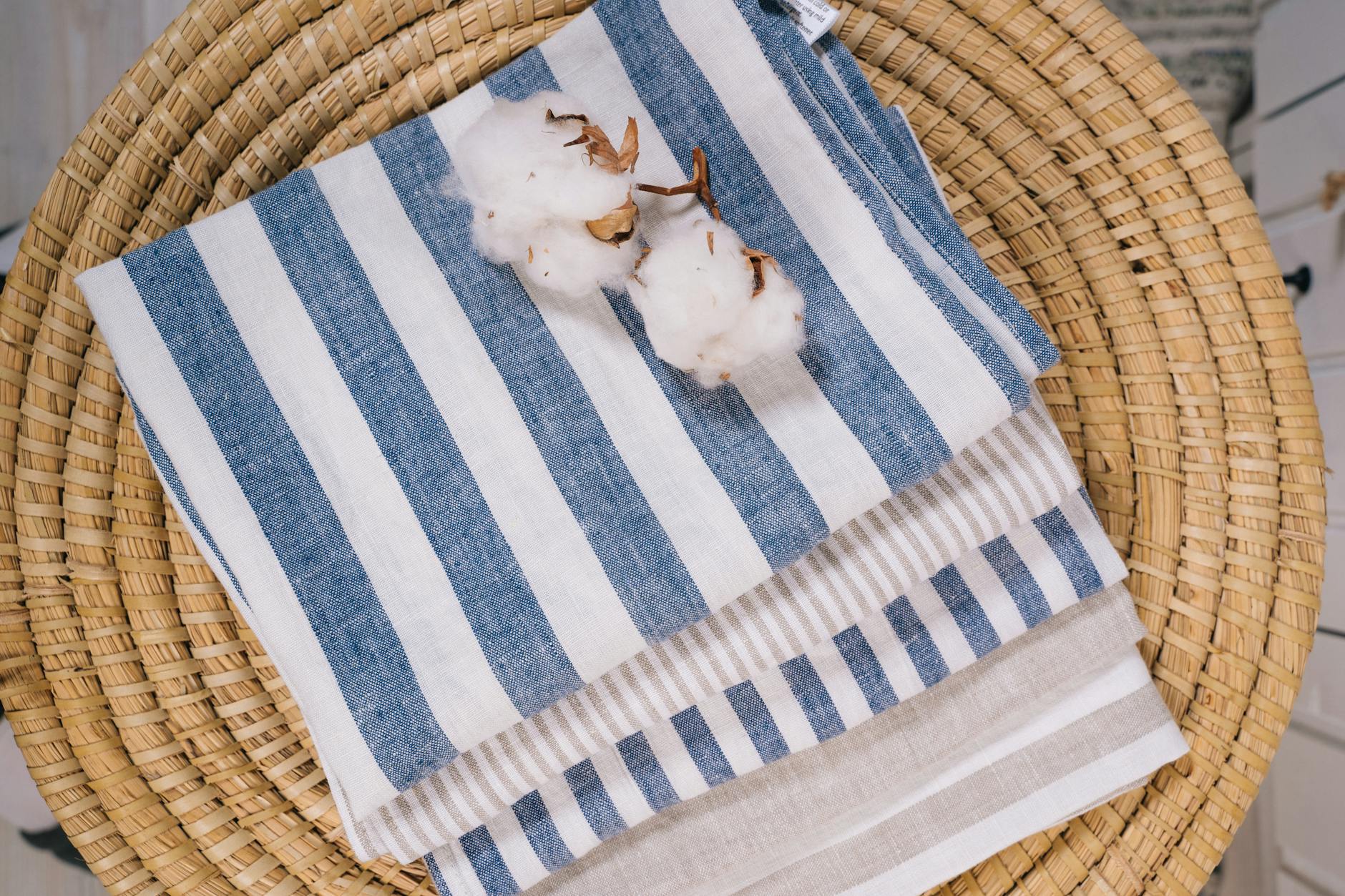
The interaction between the skin and the environment is highly dependent on the material properties. Natural fibers possess inherent breathability and moisture-wicking capabilities that allow the skin to breathe effectively, which directly impacts perceived comfort. Cotton, for instance, manages moisture through capillary action, absorbing perspiration and releasing it slowly, preventing the clammy feeling associated with less breathable synthetics. Linen, with its looser weave structure, allows for greater air circulation, contributing significantly to a feeling of airy openness within the space. Bamboo fibers offer an exceptional combination of softness and resilience, demonstrating superior hand-feel while maintaining necessary structural integrity for functional items like towels or bath mats.
Deconstructing Material Performance
Understanding the mechanism behind textile selection requires examining material composition against environmental demands. We assess textiles based on their thermal conductivity, moisture vapor transmission rate (MVTR), and porosity. High MVTR is critical in a humid environment like a bathroom; textiles that impede vapor movement trap moisture against the skin, increasing the risk of fungal growth and discomfort. Natural materials inherently manage this process better than many synthetic alternatives because their cellular structure permits moisture exchange.
Cotton fibers demonstrate excellent absorbency. This high absorption capacity means bath linens can quickly wick away excess water, facilitating a faster drying time after use. When selecting textiles for high-contact areas, we look at the weave density and fiber length. A tighter weave might offer greater structural stability but reduce breathability, whereas a looser weave maximizes air flow, enhancing the sense of calm. This technical evaluation dictates how the textile will perform over time in a frequently used space.
The Psychological Impact of Texture and Color
The visual and tactile experience of a bathroom profoundly affects mood regulation. Introducing natural textiles signals an intention toward organic living and tranquility. Our analysis suggests that the subtle variations in texture—the softness of a woven linen versus the crispness of a tightly spun cotton—contribute to a deeper sense of grounding. This tactile feedback engages the somatosensory system, triggering relaxation pathways often associated with the concept of hygge.
Color theory intersects critically here. Earth tones, muted greens, soft blues, and warm beiges derived from natural dyes resonate with the inherent warmth of organic materials. These palettes reduce visual stimulation, creating a calming effect that counteracts the high-energy associations often present in highly functional spaces like bathrooms. The visual experience is less about sharp contrast and more about subtle tonal harmony.
Implementing Natural Textiles Effectively
Integrating these textiles requires a strategic approach to layering and placement throughout the bathroom environment. We move beyond simply draping items; we are establishing zones of sensory comfort. Consider the bath area. A high-quality, thick cotton bath mat provides immediate thermal grounding when stepping out of the water, offering a soft transition point. Layering this with a linen runner introduces textural depth that invites lingering.
For areas requiring specific functional support, such as towel placement, natural fibers perform exceptionally well. Towels made from high-GSM (Grams per Square Meter) cotton or bamboo offer superior absorbency and softness compared to many standard blends. This difference is measurable in their ability to manage large volumes of water efficiently. When styling these elements, we must account for the overall design narrative; a cohesive look relies on material continuity.
Beyond the Bath: Extending Natural Principles
The principles established in the bathroom translate seamlessly into other areas of the home where comfort and calm are prioritized. The pursuit of natural materials is not confined to one room but reflects a holistic approach to domestic well-being. For instance, extending this focus to the kitchen demonstrates how material choice influences daily ritual. When styling surfaces, selecting textiles for storage or display should maintain that same commitment to organic texture and warmth. We see how similar principles apply when we consider organizing spaces; the goal remains minimizing friction between the user and the environment.
The concept of creating a sanctuary relies on consistent sensory cues across all touchpoints. The materials used in the bathroom, like natural bathroom textiles, set a baseline expectation for quality and calm that should permeate the rest of the dwelling. This interconnectedness means that the choices made in one room influence the perception of comfort in all others.
Selecting Sustainable Natural Fibers
The choice of fiber carries an environmental weight that must be factored into our analysis. While cotton and linen are highly desirable due to their natural origins, we must examine the production chain. Organic cotton, for example, avoids the heavy chemical load associated with conventional farming practices, offering a cleaner material profile. Bamboo, when responsibly sourced, presents another compelling option demonstrating rapid renewability and resilience.
We observe that longevity is another measure of quality. Natural fibers age gracefully; they develop a soft patina rather than degrading into brittle synthetics. This durability reduces the need for frequent replacement cycles, aligning with principles of sustainable consumption. Choosing textiles designed for high turnover, such as bath linens, directly supports this long-term view.
Curating the Sanctuary Experience
Ultimately, the goal is to engineer an atmosphere where daily routines transition into moments of restorative pause. Natural bathroom textiles serve as tangible anchors for this intention. They are not merely decorative additions; they function as performance enhancers for the sensory experience. By prioritizing materials that facilitate moisture management, offer superior tactile comfort, and engage the visual system with organic tones, we actively construct a space conducive to serenity. Allowing these natural elements to dictate the texture of our daily environment is how we transform a functional room into a genuine retreat.
Tags: bathroom decor, organic textiles, linen bath, natural home, cozy bathroom, sustainable decor, bathroom textiles
Featured Image by Tima Miroshnichenko on Pexels.