
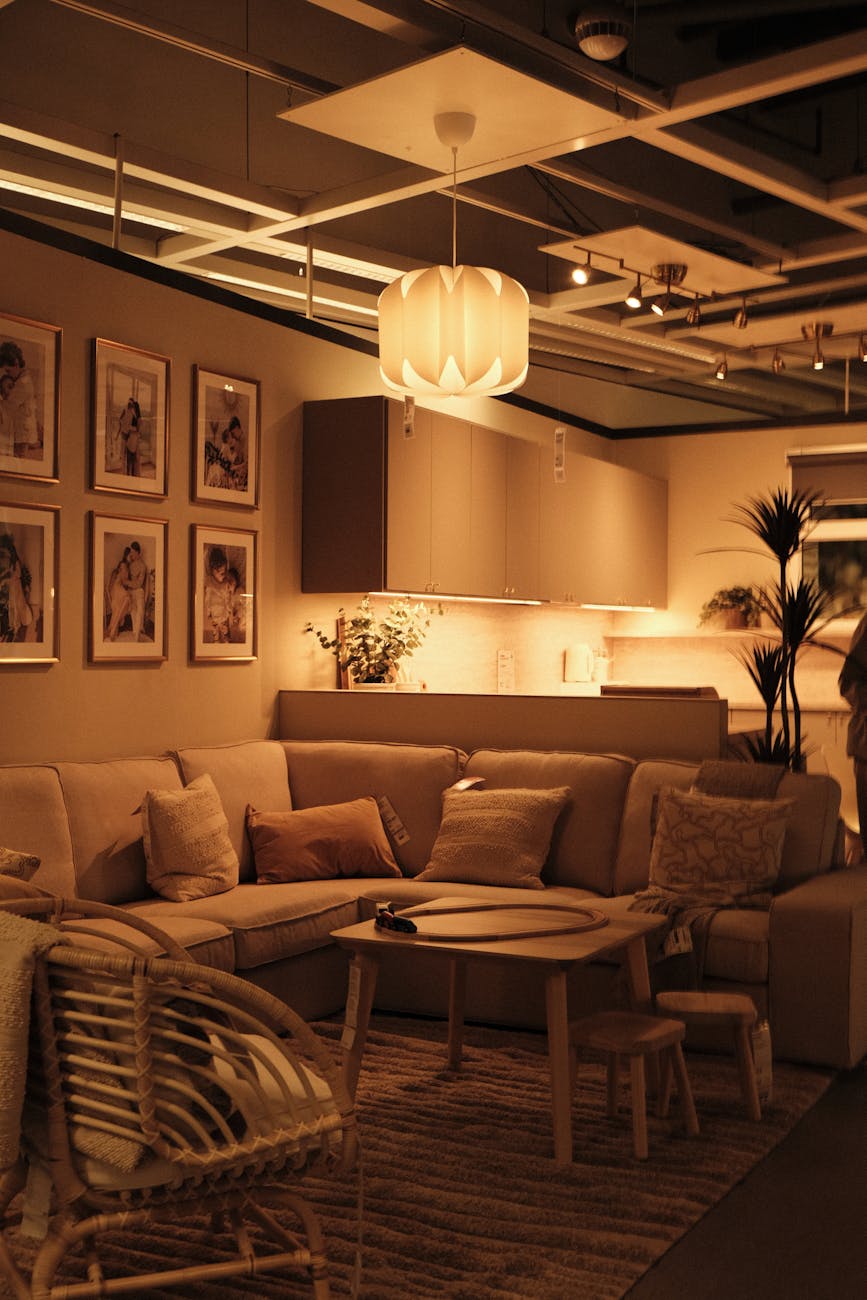
The Science of Illumination: Deconstructing Ambient Lighting Interior Design
Creating a genuinely cozy atmosphere is less about selecting soft lamps and more about understanding the physics of light interaction within a space. We observe from the data that the psychological impact of illumination is directly proportional to the quality, color temperature, and spatial distribution of the light sources employed. This process moves beyond simple aesthetics; it becomes an exercise in environmental psychology applied to interior design. Mastering ambient lighting interior design requires understanding how different spectral qualities influence human circadian rhythms and emotional states.
The mechanism at play involves manipulating the balance between warm (lower Kelvin) and cool (higher Kelvin) light sources across various zones of a room. A single, undifferentiated light source fails because it imposes a monolithic visual experience where no specific area achieves the desired level of intimacy or focus. We need intentional layering. This layering technique allows occupants to dynamically adjust the mood based on activity, shifting from bright, cool illumination for focused tasks to deep, warm tones for relaxation.
Establishing the Thermal Palette: Warmth vs. Cool Light
The color temperature, measured in Kelvin (K), dictates the perceived warmth or coolness of a light source. Light sources below 3000K emit a warmer, amber tone, mimicking firelight and promoting relaxation. Above 4000K produces a crisper, bluer light, which stimulates alertness and focus. Understanding this spectrum is foundational to effective ambient lighting design.
When designing for coziness, we prioritize the lower end of the scale for general illumination. For living areas and bedrooms, temperatures between 2200K and 2700K are empirically linked to feelings of safety and tranquility. Conversely, task-oriented areas, such as kitchens or home offices, benefit from slightly higher Kelvin values, perhaps pushing toward 3500K, to enhance visual acuity. The interplay between these temperatures dictates the functional zoning of the space.
We see that mixing these temperatures thoughtfully prevents the environment from feeling either overly dim and cave-like or stark and clinical. A successful design integrates both warm accent lighting for mood setting and cooler ambient light for necessary function. This balance is crucial for sophisticated ambient lighting interior design.
Layering Techniques: Creating Depth Through Illumination
True ambiance is achieved not by turning on a single overhead fixture, but by establishing multiple, overlapping layers of light. Think of this as building an atmospheric gradient from the floor up to the ceiling. Each layer serves a specific functional or emotional purpose.
The first layer involves general ambient light, which should be diffused and indirect. This often comes from hidden cove lighting or large, soft lamps that cast light onto walls rather than directly into the eye. The goal here is to eliminate harsh shadows and create an even wash of light across the entire volume of the room. This diffuse quality immediately reduces visual stress.
The second layer introduces task lighting. These are focused beams designed for specific activities, such as reading or detailed work. When you introduce a focused pool of warm light onto a book or a workspace, it signals intimacy and focus in that specific zone. Consider how this relates to creating specialized environments; for instance, the design principles used here translate directly into establishing a Cozy Home Office Sanctuary: Sound, Scent & Texture Guide.
The final layer consists of accent lighting. These small sources highlight architectural features, artwork, or textural elements like richly woven rugs or textured textiles. These highlights draw the eye to tactile richness and add visual depth. When these accent lights are deliberately warm, they enhance the feeling of handcrafted comfort.
The Role of Light in Sensory Experience
Lighting is not purely visual input; it engages multiple sensory channels simultaneously. The quality of light directly influences how we process texture, perceive color saturation, and regulate our physiological state. This synergistic effect enhances the overall cozy experience exponentially.
Consider the relationship between light and textiles. Soft, diffused light interacting with richly woven fabrics—like velvet, wool, or linen—enhances their perceived depth and tactile appeal. When light grazes a textured surface, it reveals subtle variations in material that would be lost under harsh, direct illumination. This interaction deepens the sense of physical comfort. We find this connection strongly supported when exploring topics like Textile Therapy: Cozy Fabrics for Mood and Better Sleep. The way light plays across these materials reinforces the psychological association we form with coziness.
Our analysis suggests that the intensity of light must be controlled as much as its color. Dimming a light source does not simply reduce brightness; it alters the visual hierarchy, allowing softer elements to emerge from the background. This subtle manipulation of contrast is a powerful tool in controlling spatial perception.
Practical Application: Controlling Light Flow and Diffusion
To successfully implement ambient lighting interior design, we must focus on controlling light flow rather than just placing bulbs. Walls, ceilings, and architectural features act as secondary light sources; they absorb and reflect the illumination. Using matte finishes for walls helps diffuse light softly, preventing glare and harsh reflections that disrupt the intended cozy mood.
Shadows are not enemies in this context; they are essential designers of mood. Deep shadows create pockets of intimacy, signaling a retreat from the external world. We use carefully placed uplighting to graze ceilings, drawing the eye upward and emphasizing vertical space, which contributes to a sense of enveloping coziness rather than mere illumination.
When calibrating systems, we must account for the time of day. Natural daylight shifts dramatically in color temperature throughout the day, demanding an adaptive system. Smart lighting systems allow us to program these shifts, mimicking the sun’s progression from cool morning blues to warm evening oranges. This dynamic adjustment ensures that the environment remains supportive of biological rhythms while maintaining aesthetic appeal.
The technical execution involves selecting dimmable fixtures and employing dimmer switches strategically across different zones. A single switch controlling an entire room is insufficient; localized control grants the necessary fine-tuning for sophisticated ambient lighting interior design. We are setting up a system where occupants can independently sculpt their immediate environment, moving fluidly between focused work and deep rest. This level of environmental mastery transforms a mere room into a personalized sanctuary.
Tags: ambient lighting, cozy decor, interior design, mood lighting, home decor, lighting techniques, warm light
Featured Image by Oliver Atherton on Pexels.