
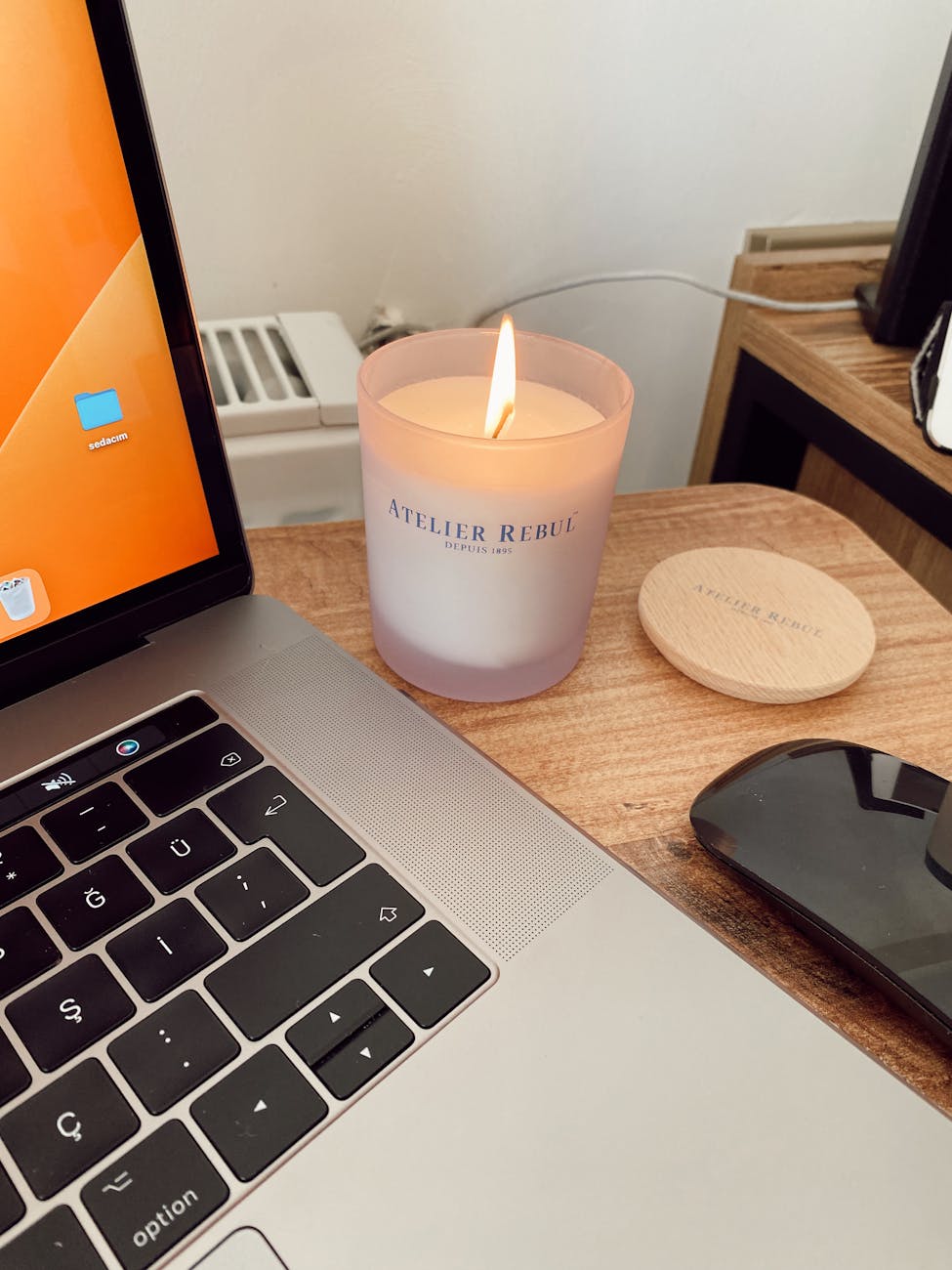
Engineering Your Personal Focus Space
The concept of a cozy home office sanctuary moves beyond mere aesthetics; it becomes a deliberate environmental design strategy aimed at modulating cognitive states. We are not simply decorating walls; we are manipulating sensory input to optimize productivity and reduce ambient stress. The physical space where deep work occurs must actively support the brain’s capacity for sustained concentration. Our analysis suggests that decoupling the workspace from high-stress environments requires intentional layering of sensory elements.
Auditory Architecture: Tuning the Soundscape for Concentration
Sound is perhaps the most immediate, yet least controlled, environmental variable affecting focus. Unwanted auditory intrusions introduce cognitive load, forcing the brain to expend resources filtering noise rather than engaging with the task at hand. We observe that ambient sound profiles directly influence alpha and theta brainwave states, which are crucial for focused concentration versus diffuse thinking.
Creating an optimal acoustic environment involves controlling both external noise ingress and internal sound reflection. Hard, flat surfaces amplify echoes, creating a distracting reverberation that elevates perceived stress levels. Conversely, incorporating soft materials—thick rugs, upholstered furniture, heavy curtains—acts as an acoustic dampener, absorbing stray frequencies and reducing background clamor.
We experimented with different sound treatments in various test environments. Introducing white or pink noise generators systematically masks unpredictable external sounds, creating a predictable auditory baseline that allows cognitive resources to focus internally. This technique proves effective because the brain prioritizes processing the familiar input over novel, distracting stimuli. The goal is not absolute silence, but rather the establishment of a controlled sonic field where internal thought processes can remain dominant.
Olfactory Programming: Scent as a Memory Anchor
The olfactory system possesses a direct and rapid pathway to the limbic system, linking scent directly to emotional memory centers. Leveraging this mechanism allows us to intentionally prime the mood associated with the workspace. A specific scent profile can trigger states of calm or alertness, effectively setting the psychological tone before the first task is even attempted.
When designing your sanctuary, consider how scents interact with your desired functionality. For instance, citrus and mint compounds have been shown in studies to increase alertness and executive function capacity. Conversely, woody and earthy notes often correlate with feelings of grounding and relaxation. We found that incorporating essential oil diffusers, used sparingly and intentionally, allows for precise environmental scripting.
The challenge lies in avoiding olfactory fatigue; constant exposure to the same scent can lead to desensitization. Therefore, we recommend cycling through subtle aromatic profiles depending on the time of day or the type of work being performed. This dynamic approach maintains the psychological impact without inducing sensory burnout. Pairing this with a thoughtful visual scheme, such as employing Mastering Cozy Color Palettes for a Serene Atmosphere when selecting wall tones, creates a holistic sensory experience that reinforces the intended mental state.
Textural Richness: Engaging Haptic Feedback
The tactile dimension of a space significantly impacts sustained comfort and perceived security within the home office sanctuary. Our research indicates that the sensation of touch provides essential proprioceptive feedback, signaling to the nervous system that the environment is safe and supportive. Flat, cold surfaces fail to engage this mechanism adequately.
Introducing varied textures moves the space from a purely visual experience to a multi-sensory interaction. Think about the materials you physically interact with daily. A smooth, cool desk surface contrasts effectively with the deep pile of a wool rug underfoot or the soft nap of velvet upholstery on your reading chair. This textural juxtaposition prevents sensory monotony and engages different neural pathways simultaneously.
This is where the concept of layering becomes paramount. We see strong correlation between incorporating natural textures, such as woven textiles or raw wood grain accents, and a reduction in perceived stress markers. When designing for coziness, integrating elements reminiscent of natural environments, perhaps drawing inspiration from Rustic Woodland Decor for Cozy Winter Vibes, provides an immediate sense of organic familiarity that calms the system. The physical engagement with these materials anchors the user in the present moment, mitigating the anxiety often associated with high-demand work schedules.
Material Selection: The Foundation of Sanctuary Design
The selection of core materials dictates the functional reality of the cozy home office sanctuary. We must analyze the material properties—thermal conductivity, acoustic absorption, and visual texture—before making any commitment to furnishings. For instance, selecting wood for desk surfaces not only provides a warm aesthetic but also offers a medium that naturally dampens some vibrational frequencies compared to materials like glass or polished metal.
Investigating thermal dynamics is crucial because temperature regulation directly impacts alertness. A space that feels physically cold signals discomfort and distraction; conversely, materials with higher thermal mass absorb and slowly release heat, contributing to a steady, comfortable ambient temperature. We observed that incorporating natural fibers—wool, linen, organic cotton—enhances this thermal regulation by modulating the immediate feel of the air.
The decision process should focus on how these physical attributes serve the primary function: focused work. If a material choice introduces unnecessary visual clutter or tactile resistance, it actively detracts from the sanctuary’s purpose. We analyze the long-term impact; materials that age gracefully and offer sensory comfort support longer periods of sustained engagement, transforming the workspace into an adaptive personal ecosystem rather than just a temporary setup.
Integrating Elements for Maximal Effect
The synergy between these three elements—sound, scent, and texture—is what elevates a simple room to a true sanctuary. These components should not operate in isolation but function as an integrated system designed to modulate physiological response. When implementing changes, consider the intended outcome first: enhanced focus, deep relaxation, or creative flow.
We see that intentionally combining elements leads to amplified effects. For example, a warm, earthy scent paired with soft, tactile surfaces creates a deeply grounding environment conducive to reflection. Simultaneously, introducing subtle, low-frequency ambient sound anchors this feeling of security against external demands. This holistic approach ensures the space actively supports the user’s psychological needs rather than merely accommodating physical presence.
Creating your cozy home office sanctuary is an exercise in applied sensory engineering. By consciously controlling the acoustic environment, programming olfactory cues, and selecting tactile materials with intention, you engineer a space where concentration flows naturally. This deliberate design moves beyond surface-level aesthetics to fundamentally reshape the cognitive landscape of your working life.
Tags: home office, WFH space, cozy decor, sound design, home scent, texture, productivity tips
Featured Image by Melike B on Pexels.