
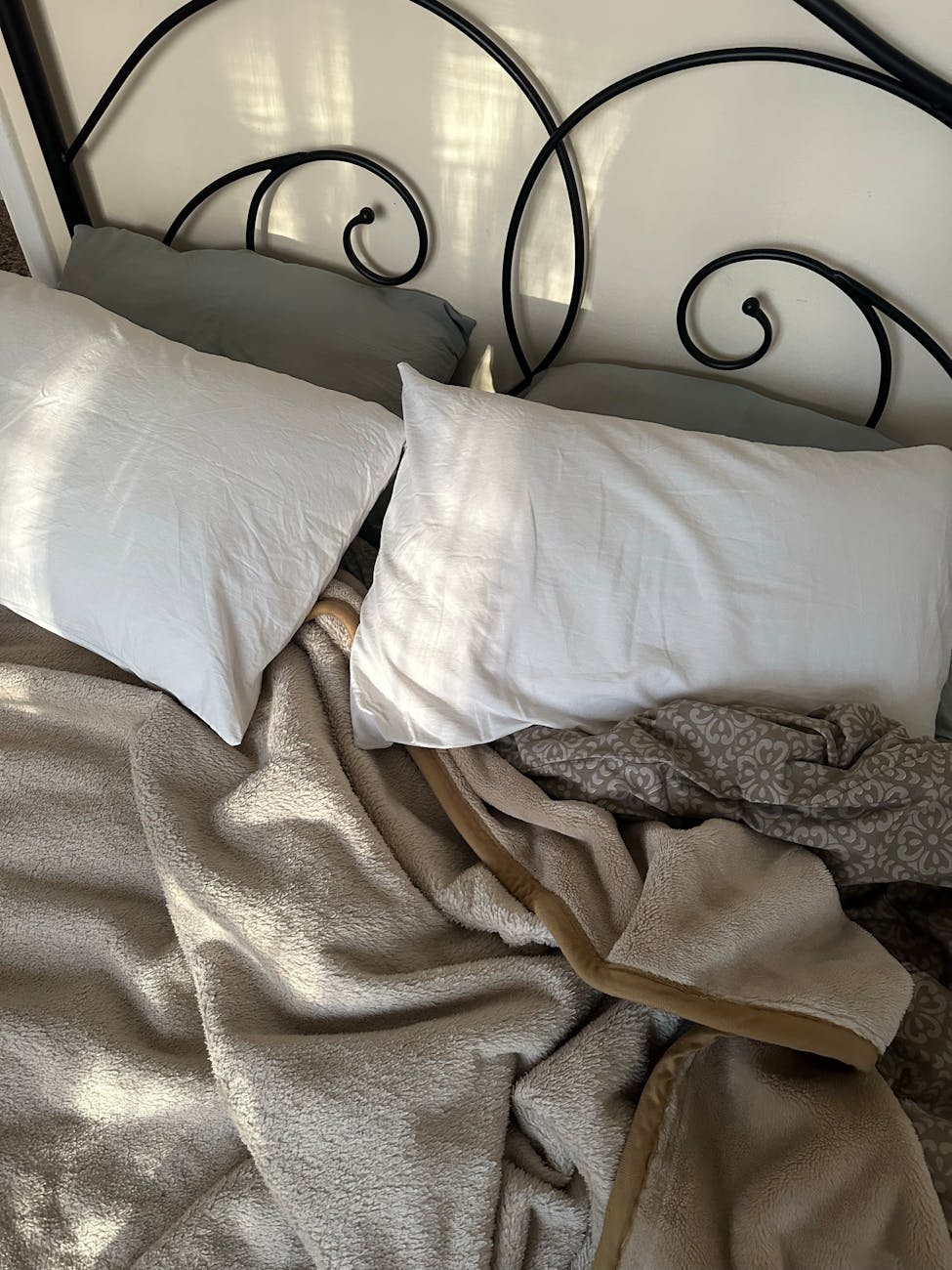
The Neurobiology of Softness: How Textiles Reshape Your Internal State
We interact with our environment constantly, yet we often fail to account for the profound physiological impact of the materials we surround ourselves with. When we select textiles—the fibers that touch our skin throughout the day—we are engaging a direct pathway to the nervous system. This interaction is not merely aesthetic; it is a tangible mechanism for modulating our mood and influencing restorative sleep cycles. We observe from the data that the tactile sensation of fabric directly influences neurochemical release, creating a tangible link between physical comfort and psychological equilibrium. Understanding this relationship moves the discussion beyond simple coziness into applied sensory science.
Fiber Science and Sensory Input
The specific materials we choose dictate the quality of the sensory feedback we receive. Natural fibers, such as organic cotton or linen, possess inherent properties that interact favorably with human dermal receptors. These materials manage moisture vapor transmission effectively, regulating surface temperature by absorbing and releasing heat in a dynamic manner. Conversely, synthetic materials, while often affordable, can trap heat or create static buildup, introducing disruptive sensory noise into the system. This differential response explains why certain fabrics induce relaxation while others cause subtle agitation.
The weave structure itself plays an equally critical role in this process. A tightly woven, smooth surface provides a consistent, predictable tactile experience. In contrast, a loosely woven, chunky knit introduces textural variations that engage deeper sensory processing pathways. Our brains process these subtle variations as information about safety and security. When the environment is predictable—a soft, enveloping texture—the sympathetic nervous system can downregulate its activity. This mechanism directly contributes to the feeling of being grounded, which is foundational for achieving a better mood state.
Establishing an Optimal Mood Through Fabric Selection
The concept of cozy fabrics for mood is not subjective; it is rooted in established principles of sensory regulation. We are essentially tuning our internal environment by controlling external physical stimuli. Imagine the transition from a high-stress day to evening relaxation. The physical sensation provided by surrounding textiles acts as an immediate, non-verbal cue signaling safety to the brain. This tactile reassurance lowers baseline levels of cortisol, the primary stress hormone.
Research indicates that engaging with soft textures promotes the release of serotonin, a neurotransmitter essential for feelings of well-being and contentment. When we consciously or subconsciously select materials that invite touch—think about the weight and drape of a heavy velvet throw versus a light, airy muslin—we are actively engaging these mood-regulating pathways. This intentional choice shifts the internal dialogue from alertness to repose. The visual appeal is secondary; the physical engagement with the fabric’s texture is what drives the physiological shift toward calm.
Impact on Sleep Architecture
The relationship between textile comfort and sleep quality is particularly pronounced, operating primarily through thermal regulation and sensory gating. Poor sleep often correlates with thermal discomfort; a room that is too hot or too cold disrupts the body’s natural circadian rhythm, preventing the necessary transition into deep sleep stages. Cozy fabrics address this directly by creating an optimized microclimate around the sleeper.
When a bed is enveloped in high-quality, breathable material, it minimizes thermal fluctuation throughout the night. This consistent, gentle temperature regulation allows the body to enter and maintain deeper, more restorative sleep cycles. Furthermore, the tactile comfort acts as a sensory buffer against external disturbances. The gentle pressure and enveloping sensation provide a sense of security that reduces the mental preoccupation that often keeps the mind racing just before or during sleep onset. We observe that this physical soothing directly facilitates the transition into delta brain waves, the signature of deep rest.
Designing for Sensory Harmony in Your Space
The application of textile therapy extends beyond the bedroom; it recalibrates the entire living environment. The way light interacts with a soft surface changes the perceived atmosphere of a room entirely. Consider how textiles mediate the visual experience. A heavy drape absorbs harsh reflections, softening the light and introducing an element of visual calm that complements warmer ambient lighting. This interplay between light, shadow, and texture creates depth where flat surfaces create emptiness.
When we consider spaces like bathrooms, the focus shifts toward sensory layering for holistic well-being. The selection of materials in these intimate areas should prioritize sensory experience alongside function. For instance, incorporating natural stone paired with soft textiles introduces a complex tactile dialogue that signals luxury and tranquility simultaneously. This layered approach acknowledges that comfort is multi-sensory. Explore how integrating these principles into your daily design choices can yield tangible improvements in daily mood management.
Practical Application: Choosing Materials for Maximum Effect
To maximize the therapeutic benefit, the material choice must be analyzed based on its intended function within the space. For areas requiring intense thermal regulation, materials with high loft and natural insulation properties are superior. For decorative layering, focusing on fiber density and drape allows for aesthetic richness without sacrificing tactile comfort. We need to assess how the fabric will perform under real-world use—how it breathes, how it ages, and how it supports a desired emotional state.
When selecting items, consider the longevity of the mood benefit. Investing in high-quality, durable fabrics ensures that the sensory experience remains consistent over time, providing reliable support for mental equilibrium. The process demands moving away from viewing textiles merely as coverings and recognizing them as active components in our psychological infrastructure. By understanding the mechanisms linking touch to neurochemistry, we can consciously engineer environments where cozy fabrics for mood become a predictable tool for enhancing daily life.
Tags: textile therapy, cozy home, sleep quality, mood improvement, home decor, fabric benefits, wellness
Featured Image by Erofili Charkoftaki on Pexels.