DIY Textured Throw Pillows: Linen & Knit Stitches for Cozy Comfort
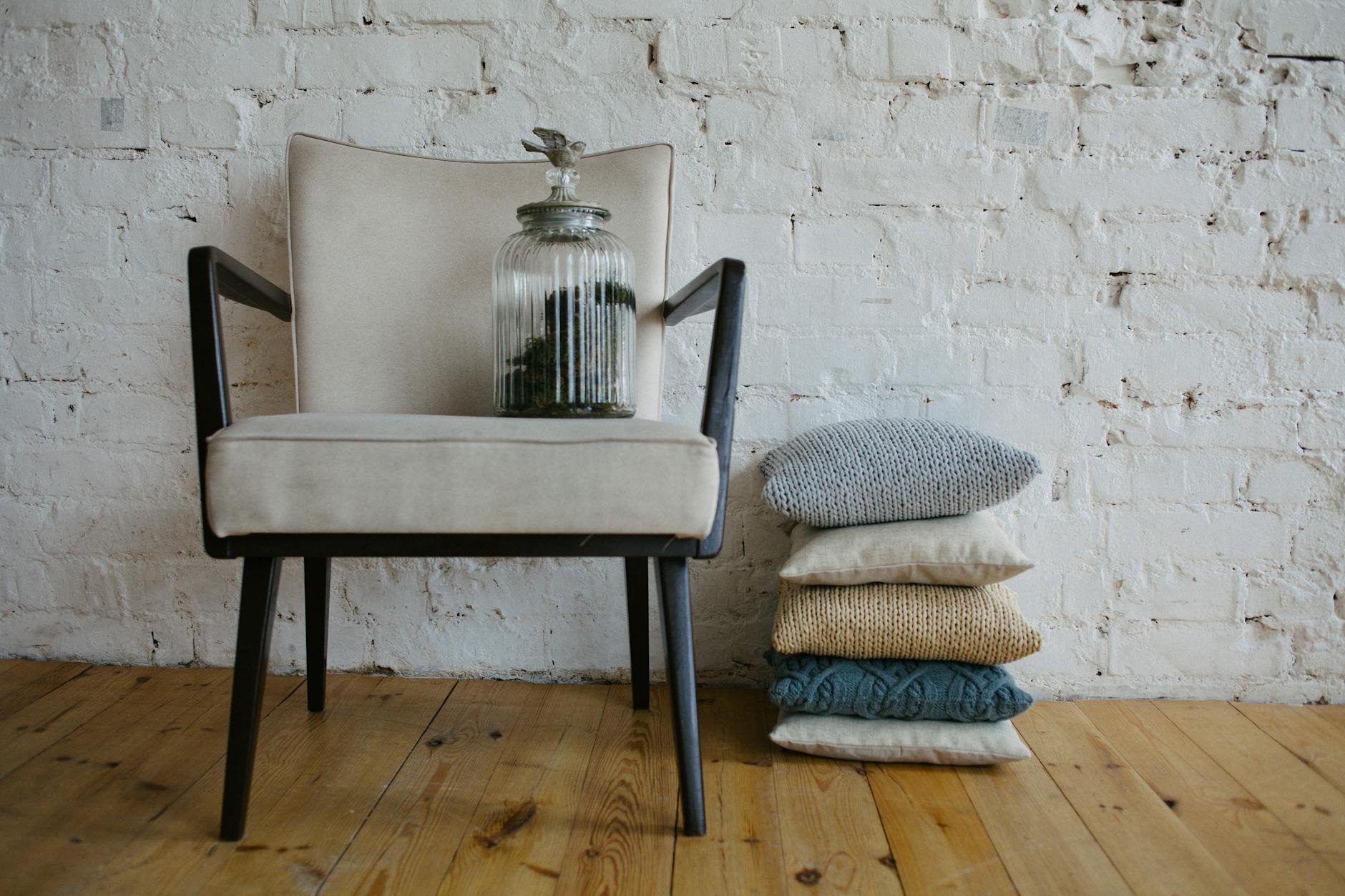
Crafting throw pillows allows us to manipulate tactile experience directly, transforming a simple piece of fabric into an object saturated with sensory warmth. We observe that the texture we introduce dictates the perceived coziness of a space far more than mere color selection. Mastering the interplay between linen and knit stitches provides a precise mechanism for achieving this desired effect. This process moves beyond simple sewing; it involves understanding fiber structure, tension management, and stitch density to engineer a specific tactile outcome.
Deconstructing Fiber Mechanics for Textile Comfort
The fundamental difference in how linen and knit fabrics respond to manual manipulation stems from their inherent construction. Linen, derived from flax, possesses a crisp, slightly rustic texture with distinct, visible weave lines. Knit fabrics, conversely, utilize interlocking loops that create inherent elasticity and a softer surface topography. When we engage in DIY textured throw pillows, understanding this material science becomes crucial for successful execution.
The Geometry of Linen Weaves
Linen’s structure encourages a more open, airy texture when stitched. If you employ a simple plain stitch or a loose satin stitch, the natural slubs and weave patterns remain visible, lending an organic, slightly rumpled aesthetic. To amplify this effect for maximum textural depth, we focus on creating intentional variations in tension across the surface. A slight pulling during the stitching process allows the warp and weft threads to settle into deeper valleys between the raised yarns. This deliberate manipulation enhances the visual texture, making the resulting pillow feel less flat and more deeply dimensional.
Manipulating Knit Structures for Depth
Knit fabrics respond differently to stitching techniques; they possess inherent stretch that must be managed during construction. When working with knit materials, techniques like the bobble stitch or various types of cable knitting—adapted onto a throw pillow scale—introduce three-dimensional puffiness simply through the manipulation of loop tension. We see this directly in practice: tighter stitches across a knit surface compress the material, creating dense, plush areas. Looser stitching allows the inherent elasticity to manifest as soft, undulating folds. This interplay between applied tension and the fabric’s natural memory is what generates the tactile quality we seek for ultimate coziness.
Stitch Techniques That Define Texture
The choice of stitch directly determines how the yarn interacts with the underlying fiber structure. We explore methods that emphasize surface variation over simple geometric patterns when designing our textured pieces.
Mastering Linen Stitches for Rustic Feel
For linen, techniques that highlight the weave are highly effective. The French knot or a tightly executed running stitch creates defined lines that mimic woven texture beautifully. We can layer these stitches intentionally. Imagine executing a tight satin stitch across a section, then immediately transitioning to a looser, more open chain stitch adjacent to it. This juxtaposition of dense and sparse stitching generates visual friction, which translates into a rich textural experience when touched. This layering strategy ensures the pillow feels complex, not uniform.
Utilizing Knit Stitches for Plushness
Knitwork thrives on creating intentional increases and decreases to modulate volume. Instead of standard flat stitching, we experiment with techniques that encourage loft. For instance, using an open-weave stitch pattern allows air pockets to form within the textile structure. When constructing a knit pillow, strategically increasing the stitch count in specific zones forces the fabric to expand outward, creating those soft, inviting mounds. This process requires careful measurement of yarn feed and tension control during every pass.
Integrating Texture into a Cozy Environment
The aesthetic impact of these textured pillows extends beyond the object itself; they serve as anchors for an entire sensory environment. A richly textured pillow immediately signals a shift toward intentional comfort, aligning perfectly with the principles of Hygge. When decorating, we must consider how these tactile elements integrate with surrounding decor choices.
Creating Sensory Harmony
The goal is to establish a cohesive atmosphere where every surface contributes to the feeling of warmth and invitation. If your throw pillows feature deep linen textures or chunky knit patterns, this texture should echo other elements in the room. This principle connects directly to embracing natural materials throughout the space. We see this correlation when pairing these tactile pieces with natural wood tones and soft, muted color palettes. Think about styling a living area where every surface invites lingering. For instance, ensuring your seating arrangement complements the soft focus generated by textured textiles creates an immersive experience. Consider how these elements interact with areas like the Cozy Pantry Decor: Styling Your Kitchen for Warmth to ensure that tactile warmth extends seamlessly into functional spaces.
The Role of Natural Fibers in Atmosphere
Natural fibers inherently carry a sense of organic comfort. Linen and wool, when treated through skilled stitching, amplify this innate quality. They absorb light differently than synthetic blends, creating soft shadows that enhance the depth of the textile surface. This absorption effect is vital for establishing a truly cozy ambiance. When selecting your materials, prioritize natural sources because their inherent qualities support the desired mood without requiring excessive layering of artificial decoration. Embracing these natural textures aligns perfectly with the philosophy found in Cozy Hygge: Warm Autumn & Winter Decor with Natural Textures.
Practical Application: Troubleshooting Your Textured Project
Executing complex textured work inevitably presents challenges related to thread management and fiber manipulation. Understanding potential friction points allows for proactive adjustments during the crafting process.
Managing Tension and Seams
In projects involving both linen and knit, tension is the single most critical variable affecting the final texture. If you observe puckering or unevenness near a seam, it generally indicates an imbalance in how the two fabric types are being managed together. For linen, excessive pulling can cause the weave to distort unevenly. For knits, improper tension during stitching leads to unwanted stretching or sagging where volume is desired. We must treat these inconsistencies not as failures, but as data points indicating where the tension mechanism needs recalibration for the next iteration.
Achieving Uniformity Across Large Surfaces
When creating large throw pillows, maintaining textural uniformity across the entire surface requires systematic planning. Mapping out areas requiring dense stitching versus areas allowing for open texture is a necessary step before cutting fabric. We analyze the pattern to determine where the stitch density must change based on the desired visual effect. This analytical approach prevents the end result from appearing haphazard; instead, it emerges as intentionally designed comfort. The final outcome reflects the precision applied during the initial structural planning.
Tags: throw pillows, textile crafts, linen decor, knit patterns, home decor DIY, cozy living, pillow covers
Featured Image by aliona zueva on Pexels.