
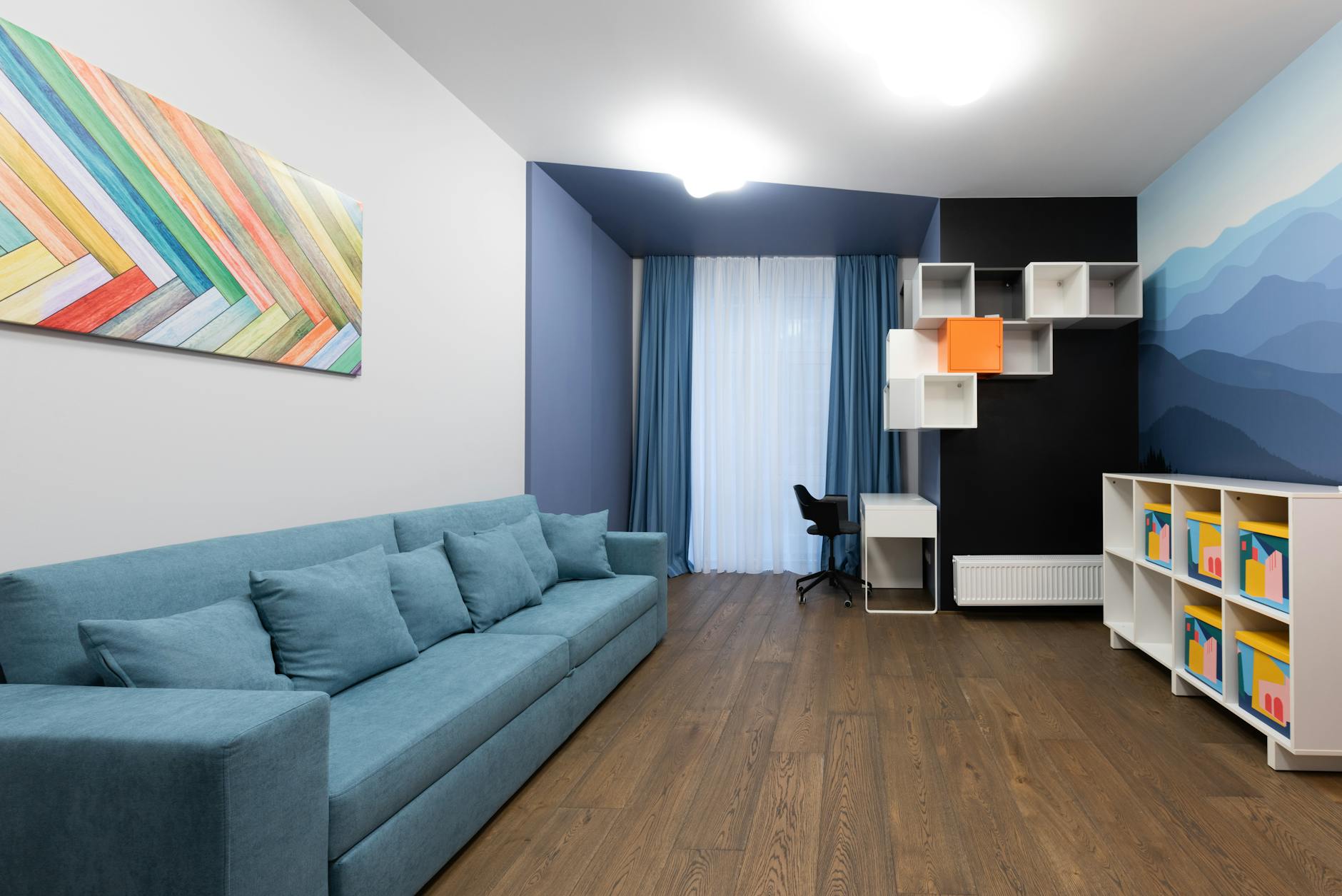
The Geometry of Cozy: Mastering Vertical Storage for Compact Living
We observe a persistent challenge in modern living: maximizing comfort and utility when physical square footage is inherently limited. The solution often lies not in expanding boundaries, but in manipulating the existing three-dimensional space. This requires shifting our focus from horizontal sprawl to vertical optimization. Implementing smart vertical storage small space strategies fundamentally alters how we perceive room capacity and aesthetic flow. It transforms underutilized wall real estate into functional assets, directly impacting both organization and the overall feeling of coziness.
Deconstructing Space: Why Verticality Matters
When dealing with confined areas, the floor plan dictates limitations. Horizontal furniture placement often results in dead space beneath or around items, creating visual clutter that actively detracts from a serene atmosphere. By orienting storage upwards, we engage the full volume of the room. This mechanism allows us to stack functions rather than merely place objects side-by-side. Think about the psychological effect; an eye moving up a wall perceives greater height and openness, counteracting the feeling of being hemmed in by low furniture. We are essentially reallocating visual weight across the vertical plane.
This approach is particularly potent in apartments or smaller rooms where floor space for circulation or seating is already constrained. We must analyze the existing architectural constraints before introducing new elements. Understanding ceiling height and wall lengths becomes the primary data points guiding our design decisions. When we integrate storage vertically, we are optimizing density without sacrificing perceived spaciousness.
Implementing Vertical Storage Solutions
The physical application of vertical storage demands thoughtful system selection. Simply stacking mismatched items does not constitute effective organization; a deliberate system must govern the process. We need to assess what kind of contents require high-density housing: books, linens, seasonal items, or decorative objects. The mechanism for success involves selecting systems that interface seamlessly with the room’s aesthetic goals.
Shelving Systems: Beyond Simple Display
Open shelving units are an immediate visual tool. They serve dual functions: they provide accessible storage and act as curated display surfaces. For small spaces, narrow, tall shelving units outperform wide, shallow ones because they utilize height more efficiently while minimizing intrusion into the walkway. We observe that utilizing wall space for shelving draws the eye upward, enhancing the sense of verticality naturally. Consider the placement of these units; anchoring them firmly to the wall ensures structural integrity and contributes to a feeling of stability within the environment.
When selecting materials for these structures, consider texture and finish. A matte white shelf might feel lighter than a highly reflective metallic one, subtly influencing the room’s ambient quality. This consideration links storage directly into the broader textural strategy we employ throughout the space. For instance, pairing vertical shelving with textiles that invite touch, such as those found in Layering Textures for Ultimate Cozy Living Room Textiles, creates an integrated sensory experience.
Utilizing Wall Space for Functional Storage
Beyond standard floating shelves, there are specialized methods for maximizing vertical volume. Consider utilizing the space above doorways or windows. These often represent unused linear meters that can be converted into functional storage banks. Custom-built cabinetry, designed to fit precise wall dimensions, offers unparalleled spatial efficiency because it eliminates wasted interstitial space.
If custom solutions prove too complex, modular systems offer a practical alternative. These systems allow for flexible reconfiguration as needs evolve. We analyze the interplay between the chosen system and the room’s décor style. A minimalist aesthetic pairs effectively with sleek, handle-less vertical units, whereas a maximalist approach can accommodate more eclectic or richly textured shelving arrangements. The goal is functional density married to visual harmony.
Integrating Ambiance: Creating Cozy Atmospheres Through Height
The act of storing objects vertically is only half the equation; achieving true coziness requires managing the visual weight and light distribution across these vertical planes. A room filled with tightly packed items can feel oppressive if not managed carefully. This is where the selection of decorative elements becomes critical.
We must manage the visual rhythm established by the stored items. Allowing certain shelves to remain intentionally sparse creates necessary negative space, preventing the storage from appearing overloaded. Balance is achieved when functional necessity yields to aesthetic breathing room. We look at how light interacts with these vertical arrangements; strategically placed lighting can accentuate the height and texture of your storage solutions, turning storage into architectural features rather than mere containers.
Contextualizing Storage: Bathroom and Small Room Dynamics
The principles governing vertical storage small space optimization extend across all functional zones. The dynamics in a bathroom, for example, present unique spatial constraints where verticality is non-negotiable. In tight bathrooms, utilizing wall-mounted solutions for towel racks or medicine cabinets immediately liberates valuable floor space. Bathroom Decor Ideas: Small Space, Big Style demonstrates how thoughtful vertical placement transforms cramped areas into functional sanctuaries.
The transition between different functional zones requires a consistent design language. Whether organizing a bedroom closet or a bathroom shelf, the methodology remains identical: identify the flow of items and exploit the available vertical axis. This consistency ensures that the entire dwelling operates as a unified, organized system rather than a collection of disparate storage units. We apply the same analytical rigor to every square foot we inhabit.
The Psychological Impact of Organized Verticality
The ultimate benefit of mastering vertical space is psychological. Clutter triggers cognitive load; visible, accessible storage reduces this load by containing visual noise. When items are neatly contained within vertical structures, the brain processes the environment as calmer and more manageable. This reduction in visual clutter directly contributes to the desired feeling of coziness. The room ceases to feel like a repository of things and starts functioning as a restful sanctuary.
We find that intentionally designing for vertical flow fosters a sense of control over one’s immediate environment. This control is inherently comforting. We move from reacting to disorder to proactively structuring our space. By employing smart vertical storage small space techniques, we are not just organizing objects; we are optimizing the sensory experience of inhabiting our home. The result is an environment where functionality supports tranquility.
Tags: small space decor, vertical storage, tiny room hacks, cozy home, space saving, wall organization, small apartment
Featured Image by Max Vakhtbovych on Pexels.