
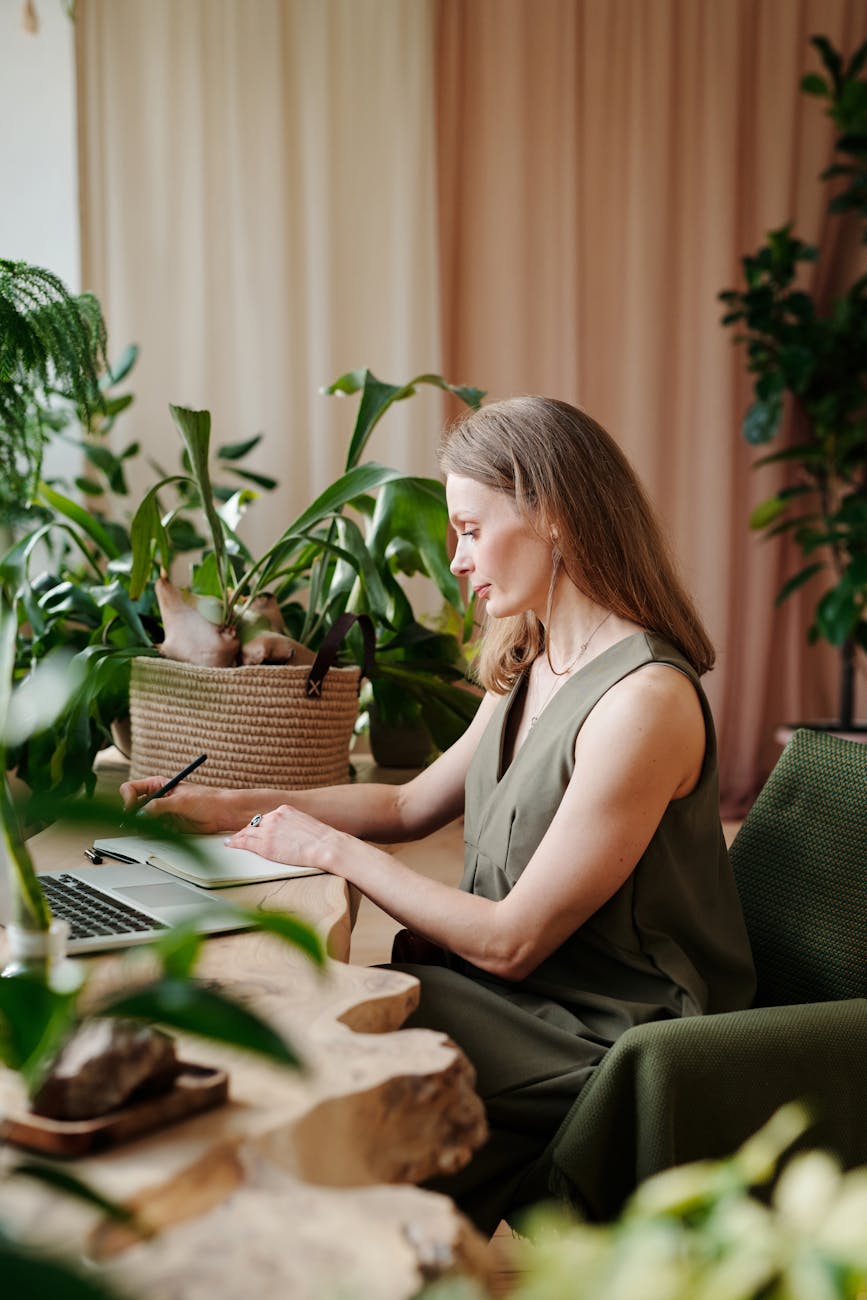
Realigning Cognitive Function Through Natural Environments
We observe from the data that the human cognitive system functions optimally when it receives input mirroring natural patterns. This is not mere aesthetic preference; it involves physiological responses directly mediated by environmental stimuli. When we situate ourselves in environments rich with natural elements, our autonomic nervous system shifts into a more restorative state. This shift has immediate implications for executive functions, specifically attention regulation and sustained focus, which are the cornerstones of high productivity. The concept underpinning this mechanism is biophilic design home office: structuring the physical space to foster innate human needs for connection with nature.
The Neuroscience Behind Nature-Seeking Behavior
The psychological response to natural environments involves complex neurochemical interactions. Exposure to natural light, for instance, regulates the production of serotonin and melatonin, directly impacting mood and alertness levels throughout the diurnal cycle. A study by Roger Ulrich demonstrated that views of nature reduce physiological stress markers, lowering cortisol levels. When we integrate these elements into a workspace, we are not simply decorating; we are modulating the internal biochemical environment. This modulation allows prefrontal cortex activity—the area responsible for complex problem-solving and deep concentration—to operate with greater efficiency.
The visual complexity inherent in natural settings provides an optimal level of sensory engagement. Unlike sterile, uniform environments, nature offers fractal patterns and organic textures that engage the visual system in a way that demands focused processing without inducing cognitive overload. Our brains are inherently wired to process these complex, dynamic inputs efficiently. A cluttered, artificial space forces the brain to expend unnecessary energy filtering irrelevant, jarring stimuli, thereby depleting the resources available for actual work.
Optimizing Light Exposure and Spatial Arrangement
The manipulation of light is perhaps the most direct pathway through which biophilic principles exert their influence in an office setting. Maximizing exposure to natural daylight synchronizes our circadian rhythms, ensuring that peak alertness occurs when cognitive tasks are most demanding. Positioning workstations near windows allows for dynamic light shifts throughout the day, mimicking the natural progression of environmental cues. We see a tangible difference when workspaces receive ample indirect light, reducing the need for artificial illumination during daytime hours and fostering a sense of temporal awareness.
Arrangement dictates flow. The spatial organization within the home office directly influences behavioral patterns. Designing an area where natural light streams in naturally encourages occupants to remain engaged with the surroundings. Conversely, placing tasks in environments starved of natural input forces reliance on internal motivation alone, which is metabolically taxing. We need spaces that invite presence. Consider how the surrounding decor contributes to this feeling of rootedness; incorporating natural textures and materials anchors the user to a sense of calm stability, an effect similar to the restorative qualities found in a well-designed sanctuary, much like those sought in bedroom decor ideas: how to create a relaxing sanctuary.
Incorporating Living Elements for Cognitive Refueling
Introducing living organisms into the workspace moves beyond passive aesthetics; it initiates active cognitive engagement. Plants are not simply decoration; they function as living systems that engage multiple sensory channels simultaneously. The act of observing and interacting with foliage engages attentional resources in a non-demanding manner, providing necessary mental breaks without requiring conscious effort to switch tasks. This mechanism directly combats the monotony that leads to mental fatigue during prolonged concentration sessions.
The presence of greenery introduces elements of complexity and change that stimulate exploratory neural pathways. Research indicates that exposure to natural forms enhances working memory capacity. When occupants focus on the subtle variations in leaf structure or the movement of light filtering through leaves, the cognitive load is balanced by this gentle stimulation. We observe that incorporating various types of indoor plants—such as trailing vines or larger statement pieces—creates a dynamic visual field that supports sustained engagement.
Textural Richness and Sensory Grounding
The tactile experience of an environment profoundly affects psychological regulation. Hard, cold surfaces transmit a sense of detachment and rigidity. Conversely, introducing soft, organic textures anchors the user physically within the space, promoting a feeling of safety and comfort. This textural layering is a crucial component of creating a supportive atmosphere conducive to deep work.
Materials like woven textiles, natural wood grain, or soft wool introduce tactile depth that engages the somatosensory system. When working in an environment rich with these textures, the body registers this input as inherently comforting, which lowers baseline stress levels. For those seeking ultimate tactile comfort while maintaining a productive setting, materials that invite touch become essential design elements. Think about enveloping the workspace in soft, natural fibers; this creates an immediate sensory bridge between the user and their surroundings. People often seek out comforting items, such as DIY chunky knit blankets for ultimate snuggle factor, because these objects provide immediate, tangible reassurance against environmental stressors. This principle extends beyond mere comfort; it is about grounding the mind to improve focus.
Practical Implementation: Structuring Your Biophilic Workspace
Translating these principles into a functional home office requires intentional architectural choices rather than superficial additions. We must engineer the space to prioritize natural connectivity. This involves strategic placement of desks, ensuring that primary visual access is directed toward natural light sources or views of nature outside the window. Window placement should not be an afterthought but a central design consideration influencing workflow orientation.
Consider the integration of natural materials into the core functional elements. Choosing wood for desk surfaces or shelving introduces inherent warmth and organic structure that supports concentration. Avoid highly reflective, cold materials where possible, as they contribute to a feeling of clinical distance. The goal is to establish an environment where the body perceives itself as intrinsically safe and connected to its physical context.
The integration process requires balancing stimulating visual input with necessary stillness. A fully immersive natural setting can become overwhelming if not carefully modulated. Therefore, we must layer the experience. Balance the dynamic energy provided by living plants and bright light with pockets of deep, tactile calm provided by soft textures and muted, grounded colors. This careful orchestration ensures that the home office functions as a high-performance zone where cognitive stamina is sustained naturally, making the application of biophilic design home office a measurable strategy for enhanced productivity.
Tags: biophilic design, home office, productivity, nature in office, workspace design, natural light, cozy decor
Featured Image by Mikael Blomkvist on Pexels.