
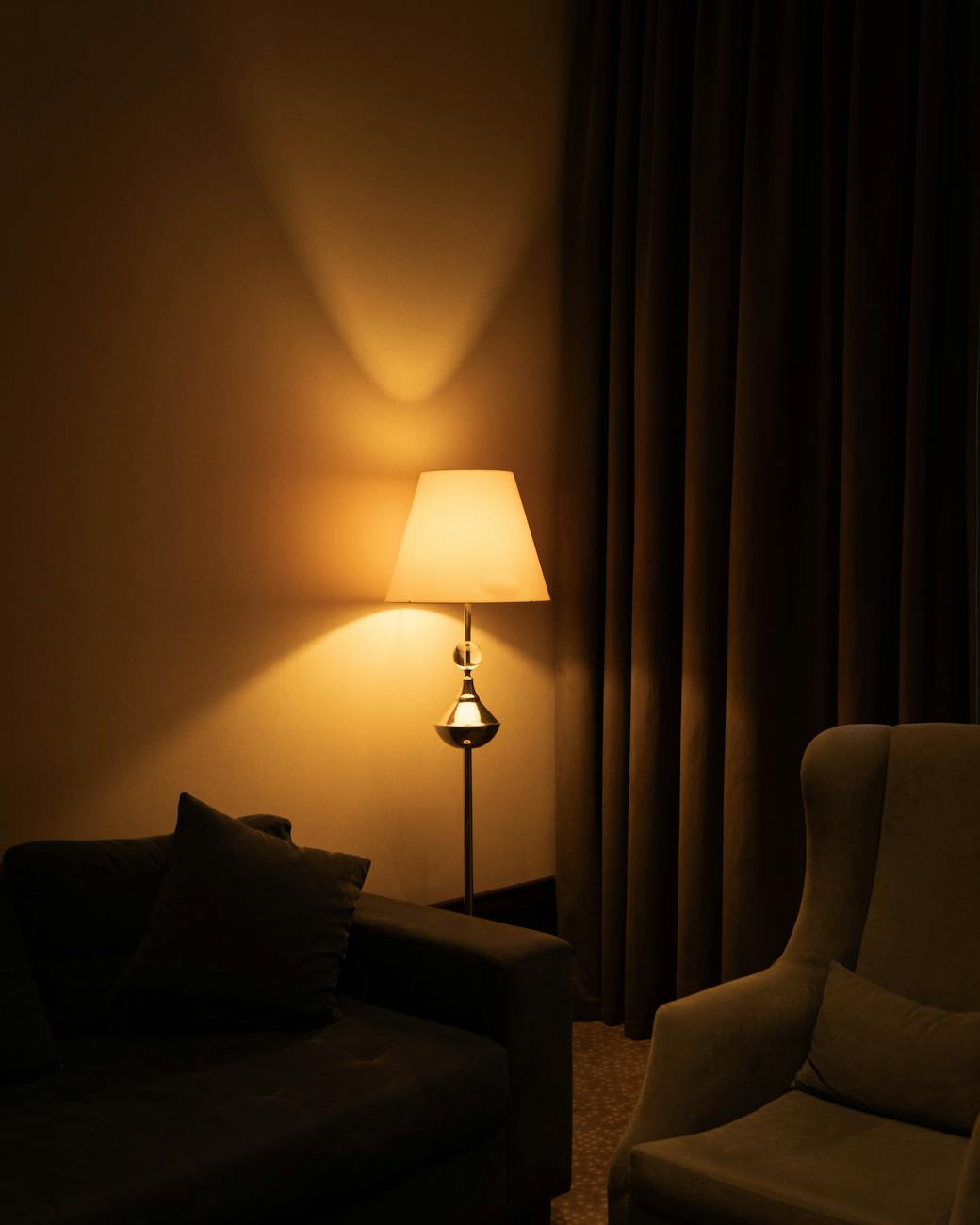
Mastering Light Dynamics for Atmospheric Design
Creating a genuinely cozy home is not about selecting plush fabrics; it is fundamentally about controlling the visual experience through light. We observe from the data that ambient, task, and accent lighting systems interact to manipulate mood, define space, and engage sensory perception in quantifiable ways. Understanding how these three layers operate allows us to move beyond simple illumination and begin engineering an atmosphere. This layered lighting cozy home approach moves decoration from mere surface dressing to intentional environmental design.
The Mechanism of Ambient Light: Setting the Baseline Mood
Ambient lighting functions as the foundational layer, dictating the overall emotional tone of a space. Think of it as the broad stroke in a painting—it establishes the primary visual field without demanding specific focus. When setting this base, the color temperature and intensity must be meticulously calibrated based on the intended function of the area. For instance, using warmer color temperatures, typically below 3000 Kelvin, signals relaxation to the human visual system, encouraging slower heart rates and a feeling of repose. We see that harsh, bright white light, above 4000K, triggers alertness, which works against the goal of coziness.
The mechanism here relies on controlling light scatter and diffusion. Hard-edged light creates stark shadows, which increases visual tension. Soft, diffused ambient light interacts gently with all surfaces, reducing contrast and softening spatial boundaries. This gentle illumination allows other elements—textures, furniture—to emerge softly rather than being harshly delineated by shadow play. A well-managed ambient layer ensures that when you enter a room, the initial impression is one of immediate welcome and tranquility.
Implementing Task Lighting: Function and Focus
Task lighting addresses the functional requirements of specific activities within the space. This layer introduces targeted illumination precisely where action is required, ensuring visibility without overwhelming the surrounding atmosphere. When we introduce task lights, we are directing the viewer’s attention to specific objects or activities, which inherently creates a sense of intentionality. For example, setting up warm, focused light over a reading nook signals that this area is dedicated to rest and engagement.
The placement of task lighting requires an understanding of focal distance and illumination intensity. A desk lamp illuminating a workspace needs sufficient light density for detailed work, yet the surrounding ambient glow must remain soft enough so that the overall environment does not feel stark or clinical. We must calculate the necessary lux levels for the activity—a kitchen counter demands higher output than a hallway accent—and then layer this specific function over the existing ambient field. This process involves balancing functional necessity with aesthetic integration; the light should serve the function while simultaneously contributing to the desired cozy home ambiance.
Sculpting Space with Accent Lighting: Adding Depth and Drama
Accent lighting is the most dynamic element, employed to highlight architectural features, art, or specific decorative objects. Its role is to introduce visual interest and depth by manipulating contrast across surfaces. By deliberately illuminating a textured wall, a piece of artwork, or a unique piece of furniture, we draw the eye into that area, establishing focal points within the room. This technique manipulates the perception of volume; shadows become intentional design elements rather than accidental flaws.
The placement strategy for accent lighting is critical to its success. Aiming light at a vertical surface emphasizes texture and depth through subtle gradations of shadow. When applied correctly, this layer enhances the tactile quality of materials present in the room. For example, grazing light across a richly textured wall reveals the weave and depth of the material in a way flat illumination cannot achieve. This interplay between highlight and shadow is what generates the rich, layered feeling that defines true coziness. Consider how accent lighting can bring out the natural, earthy tones inherent in materials, much like the serene palette found in soft sage and cream aesthetics.
Integrating the Layers: Achieving True Layered Lighting Cozy Home
The effectiveness of this system depends entirely on the seamless integration between the three elements. A poorly managed transition results in visual dissonance; a space might feel simultaneously functional and chaotic if the light temperatures clash or the intensity shifts abruptly without mitigation. We must ensure that the ambient light supports the task, and the accent light enhances the overall narrative established by the first two.
We find that using dimmers across all three layers provides the ultimate control mechanism. Dimming the ambient light reduces visual noise; lowering the task light focuses attention further; and subtly adjusting the accent light refines the focal points. This dynamic manipulation allows occupants to shift the mood instantly, moving from bright daytime activity to a warm, intimate evening setting with just a few adjustments. The goal is not simply to turn lights on or off, but to sculpt the visual environment through calibrated luminosity.
Materiality and Light Interaction
The materials we choose interact profoundly with the light we employ. Rough textures absorb and scatter light differently than smooth, reflective surfaces. When designing a cozy space, selecting textiles that invite softness—such as heavy wools or linen—works in concert with diffused lighting to maximize tactile comfort. These soft furnishings absorb harsh reflections, allowing the ambient glow to settle comfortably into the room’s volume.
The choice of color palette further influences this interaction. Deep, saturated colors absorb more light, creating a sense of enclosure and intimacy, which amplifies the cozy effect under warm illumination. Conversely, lighter tones reflect more light, opening up the perceived space while still maintaining an airy, gentle quality. Understanding this material physics means we can use light to intentionally manipulate how we perceive the physical presence of our decor.
Practical Application: Designing Your Light Scheme
To enact this strategy in practice, begin by establishing a consistent color temperature preference for your home—leaning towards warm tones is generally the most effective starting point for coziness. Then, map out functional zones. Identify where focused activity occurs and plan task lighting accordingly. Finally, assign accent roles to architectural features or treasured decorative items, utilizing indirect sources wherever possible.
We observe that installing dimmable fixtures across all three categories provides the necessary operational flexibility for a truly adaptable space. When you layer these functions correctly, the result is an environment where light does not merely illuminate; it actively cultivates a sense of deep, layered comfort. This intentional control over illumination transforms a collection of objects into a cohesive, emotionally resonant habitat.
Tags: layered lighting, cozy home decor, warm light, home ambiance, lighting design, interior design, dimmable lights
Featured Image by saw sing on Pexels.