
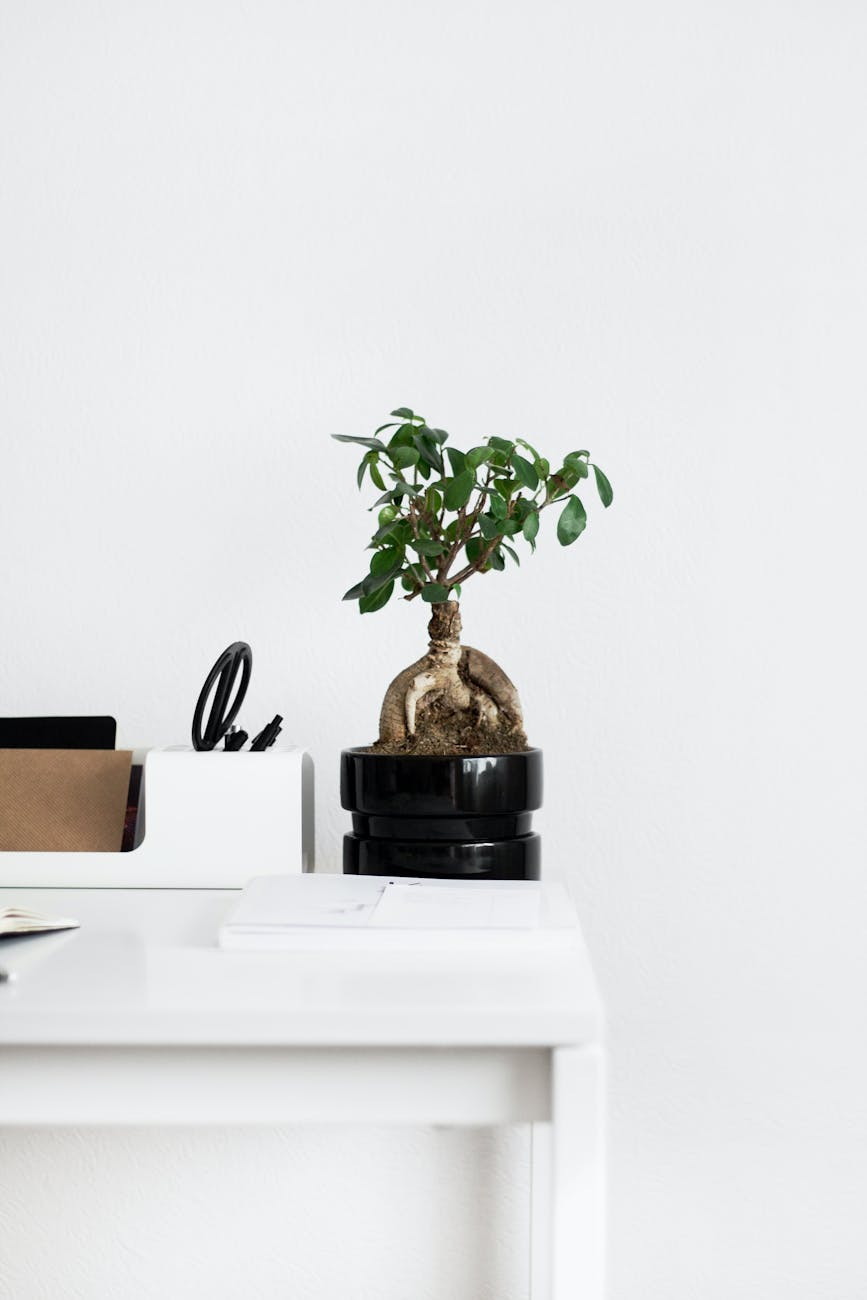
Mastering Small Space Home Office Organization
The reality of modern living often dictates that available square footage for dedicated workspaces is severely constrained. We observe that maximizing productivity within these limited dimensions requires a shift from conventional desk setups to highly intentional spatial management. Achieving true organization in a small space home office is not about simply fitting more items; it involves engineering the workflow so that every inch serves a specific, productive function. This process demands a systematic approach to decluttering and optimizing vertical and horizontal planes simultaneously.
Optimizing Vertical Space for Maximum Storage Density
When floor space is scarce, the natural recourse becomes the utilization of the vertical dimension. We must analyze how items can be stacked or suspended rather than occupying continuous surface area. This technique fundamentally alters the perception of available workspace.
H3: Implementing Modular Shelving Systems
Modular shelving units offer a scalable solution for small office environments because they allow users to customize storage based on immediate needs. Instead of fixed, bulky bookcases, consider systems that utilize open cubbies or adjustable shelving brackets. We find that these systems permit dynamic reconfiguration as project demands shift. Observe how a simple grid system allows you to store stationery, reference materials, and decorative elements in clearly defined zones. This structural approach minimizes wasted air space between objects, which is crucial for maintaining an uncluttered aesthetic.
H3: Harnessing Wall Space with Pegboards and Hooks
The wall itself becomes an untapped resource when viewed through the lens of small-space organization. Pegboards provide an excellent mechanism for transforming otherwise dead wall space into functional storage infrastructure. By installing a pegboard, you create customizable mounting points that allow tools, headphones, small supplies, and even plant cuttings to be hung precisely where they are needed. This methodology prevents items from migrating across the desk surface. Similarly, utilizing adhesive hooks strategically allows for hanging monitor arms, headphones, or even small file organizers directly onto the wall plane. This technique effectively liberates desk real estate.
Streamlining Desk Surface Management
The desk remains the primary interface between the user and the work; therefore, its surface must be treated as a highly functional layer rather than a dumping ground. The goal here is to establish zones for active work and passive storage.
H3: Choosing the Right Desk Profile
The physical dimensions of the desk significantly influence how effectively you can organize it. Narrower desks force a focus on vertical storage, reinforcing the need for solutions discussed above. Conversely, if you have a slightly larger footprint, select a depth that accommodates essential peripherals without encroaching on necessary working room. A floating desk design, where the surface is cantilevered, minimizes visual bulk and enhances the feeling of spaciousness across the room.
H3: Drawer and Container Systems
Drawers are excellent for housing smaller, frequently accessed items like pens, chargers, and sticky notes, provided they are utilized with internal dividers or drawer inserts. Transitioning from loose items to contained systems is a core organizational mechanism. Think about utilizing stackable acrylic bins or bamboo trays to corral miscellaneous supplies. These containers allow you to group related items into singular units, which reduces visual chaos significantly. We see that grouping by category streamlines retrieval time considerably.
Managing Digital and Cable Clutter
The proliferation of electronic devices introduces a unique challenge in small spaces: managing the associated cabling. Tangled wires introduce physical clutter that undermines any aesthetic effort toward coziness or organization.
H3: Concealing Wiring Pathways
Effective cable management requires understanding the path these wires take from the device to the power source. Utilizing cable sleeves, adhesive ties, or under-desk trays allows you to manage the visual mess underneath the desk surface effectively. Running power strips discreetly along desk edges, rather than letting them sprawl across the floor, maintains a cleaner profile. This attention to the infrastructure prevents visual noise from overwhelming the workspace.
Integrating Atmosphere and Functionality
A home office should not just be functional; it must also contribute to the overall sense of calm and comfort that defines cozy decor. The organization methods employed must support this atmospheric goal.
H3: Leveraging Lighting for Mood Setting
The quality of light profoundly impacts how an organized space is perceived, especially in smaller areas. Incorporating layered lighting techniques helps define zones and introduces warmth. For instance, using warm-toned ambient lighting alongside focused task lighting establishes a more inviting environment than harsh overhead illumination. Consider how soft, diffused light interacts with textured walls and materials, creating a sense of enveloping comfort. When designing your space, think about how light flows across surfaces; this interplay directly enhances the feeling of coziness in any setting, much like thoughtfully layering light for a cozy living room.
H3: Acoustic Design for Focus
Noise pollution acts as an organizational disruptor by increasing cognitive load and reducing focus capacity. In small offices, controlling sound is essential for maintaining concentration. Implementing sound-absorbing materials mitigates echo and dampens ambient noise. Investing in acoustic paneling or strategically placing soft furnishings helps establish a true sanctuary within the confines of the room. A well-designed acoustic environment allows the mind to settle into productive focus without distraction. Understanding how sound travels demonstrates that environmental factors are intrinsically linked to organizational success; this is why considering a sound sanctuary in your home office design makes tangible sense for maximizing efficiency.
The successful execution of small space home office organization hinges on treating the constraints not as limitations, but as parameters for innovative design solutions. By focusing on vertical storage mechanisms, surface containment, and infrastructure management, you actively engineer an environment that promotes both high productivity and genuine comfort. Start by auditing what you own, then apply these principles to restructure your physical space.
Tags: home office organization, small space living, desk organization, WFH setup, space saving, home decor, organization hacks
Featured Image by Sarah Dorweiler on Pexels.