
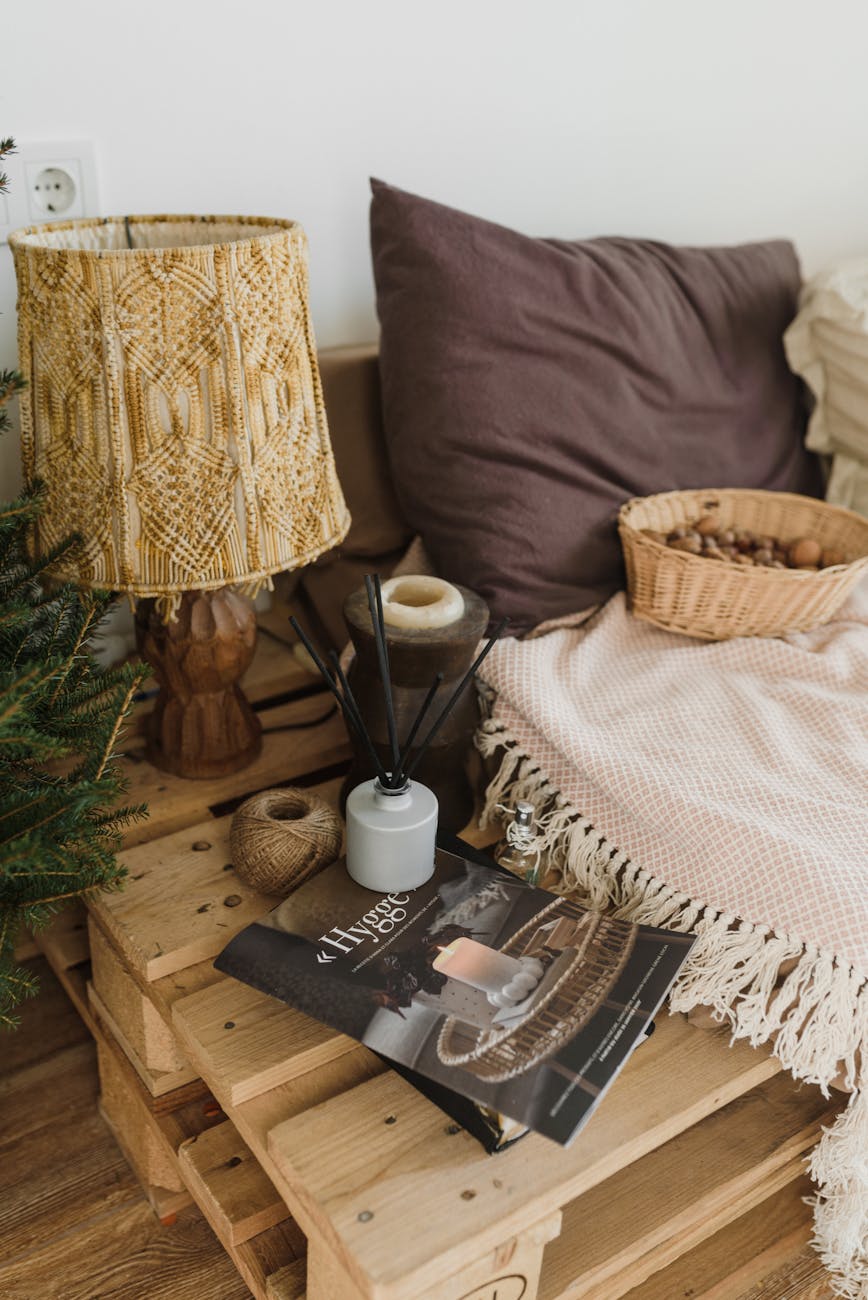
Deconstructing Hygge: Engineering Atmosphere Through Scandinavian Design
The concept of *hygge* transcends mere decoration; it represents a deliberate strategy for engineering psychological comfort within a physical space. We are not simply arranging objects; we are calibrating sensory input to promote a state of profound, intentional coziness. Observing how Scandinavian design integrates this philosophy reveals a systematic approach to creating environments that mitigate external stressors and enhance internal well-being. This requires understanding the mechanisms by which light, texture, and spatial arrangement influence human perception.
The Physics of Light and Shadow in Hygge Spaces
Light serves as the primary modulator of the hygge experience. Natural daylight shifts throughout the day, offering dynamic variations in mood that must be accounted for in interior design. We observe that soft, diffused illumination minimizes harsh shadows, which psychologically correlates with reduced anxiety. To achieve this effect, designers prioritize layered lighting systems. Layering Light for Ultimate Living Room Comfort relies on employing multiple light sources—ambient, task, and accent—to create depth rather than relying on a single, harsh overhead source.
The quality of the light source itself is critical. Warm color temperatures, typically below 3000 Kelvin, signal warmth and invitation. This contrasts sharply with the cooler, blue-toned light associated with high-energy activity or alertness. When integrating this principle into your decor choices, consider how materials interact with light. Matte finishes absorb light gently, preventing glare, whereas high-gloss surfaces reflect light aggressively. We find that incorporating natural wood tones, which possess inherent warmth, works synergistically with diffused lighting to amplify the feeling of enveloping comfort.
Texture as a Tactile Anchor for Comfort
The tactile experience is perhaps the most immediate way we register coziness. Textures engage our sense of touch, providing a physical anchor against the perceived coldness of an otherwise structured environment. In practice, selecting materials involves analyzing their weave, depth, and surface texture. A thick, chunky knit throw, for instance, introduces substantial visual weight and physical softness that signals safety and invitation.
We see this mechanism play out across various elements of the decor scheme. Wool, boucle, linen, and soft sheepskins act as tangible mediators between the room and the occupant. These fabrics trap air and absorb sound, contributing to a quieter, more insulated atmosphere. When arranging textiles, we focus on layering; placing a soft rug over a hard floor immediately alters the acoustic and thermal properties of the space. This physical layering prevents the room from feeling stark or cold, establishing an immediate sense of enclosure and sanctuary.
Materiality: The Foundation of Hygge Aesthetics
The selection of raw materials dictates the inherent character of a hygge space. Scandinavian design champions natural, unprocessed elements because they connect the interior experience to the external, natural world. Exposure to natural materials fosters a sense of authenticity and grounding.
Wood occupies a central position in this material hierarchy. The grain patterns, the visible knots, and the matte finish of untreated or lightly treated wood communicate an organic history that synthetic materials often fail to replicate. When utilizing wood, the choice of tone—light ash versus deep walnut—adjusts the perceived warmth. Darker woods pull the space inward, enhancing intimacy, while lighter woods promote an airy, serene feeling.
Ceramics and textiles offer complementary textural depth. Handmade pottery introduces subtle imperfections that humanize the aesthetic, contrasting with mass-produced uniformity. This intentional imperfection is crucial; it signals a lived-in environment rather than a sterile showroom. Observing this material interplay demonstrates how tactile richness builds an atmosphere that feels deeply personal and intentionally curated.
Curating Space: Intentional Arrangement for Calm
Creating hygge requires more than just selecting cozy items; it demands a deliberate strategy for spatial organization. The goal is to eliminate visual clutter, allowing the chosen elements to breathe and exert their comforting influence unimpeded. Clutter introduces cognitive load, which directly counteracts the meditative quality of hygge.
We must establish clear zones within a room. Defining an area for relaxation versus an area for focus helps the brain categorize the space effectively. Furniture placement should encourage comfortable interaction; sofas should face focal points, and reading nooks should be positioned near desirable light sources. This spatial choreography ensures that every element contributes to the overall feeling of ease.
Consider the effect of visual density. A sparsely decorated room feels open and tranquil. Conversely, an overstuffed space can feel overwhelming. The art of hygge lies in finding the balance—enough objects to feel lived-in, but enough negative space to allow the eye rest. This careful curation allows the soft textures and warm lights to dominate the visual field without causing sensory overload.
Incorporating Seasonal Warmth and Sensory Engagement
The hygge aesthetic evolves with the changing seasons; the application shifts based on the prevailing external environment. During colder months, the emphasis moves toward deep insulation and enveloping warmth. This involves maximizing the use of heavy textiles and dimming artificial light to mimic the long, soft evenings outside. Cozy Autumn Vibes: Knit Throws & Amber Lights for Warm Fall Decor exemplifies this shift perfectly, where heavy fabrics and low-level amber illumination work in tandem to create an immediate sense of retreat.
When transitioning into seasonal decor, sensory engagement becomes a key mechanism. The olfactory experience contributes significantly to mood regulation. The subtle scent of baked goods, pine, or warm spice engages memory pathways associated with comfort. We observe that introducing carefully chosen ambient scents can trigger deeper feelings of contentment than visual changes alone.
Achieving Hygge Through Intentional Simplicity
The core tension in decorating for hygge is managing complexity while maximizing warmth. This means embracing simplicity as a strategic tool rather than an aesthetic endpoint. Reducing the number of decorative items forces attention onto the quality and impact of what remains. Every item introduced must justify its presence by actively contributing to coziness, whether through texture, light reflection, or tactile invitation.
This analytical approach allows us to move beyond superficial trends toward functional design principles. By focusing on the interaction between light physics, material science, and spatial dynamics, we construct environments where comfort is not accidental but engineered. The result is a space that functions as a genuine sanctuary, inviting deep relaxation with every glance.
Tags: hygge, scandinavian decor, cozy home, home decor tips, hygge living, cozy aesthetic, nordic style
Featured Image by Arina Krasnikova on Pexels.