
Understanding the Mechanics of Textile Comfort
When we engage with textiles for home decor, the goal shifts from mere aesthetic appeal to functional sensory experience. Selecting a throw blanket is not simply about covering a surface; it is an exercise in material science and psychological comfort. We are optimizing for tactile input, visual warmth, and perceived density. This process requires analyzing three core physical properties: texture, weight, and color saturation. These elements interact to dictate how the blanket functions within the specific spatial context we aim to establish.
We observe that the brain processes these sensory inputs rapidly. A soft surface signals safety and relaxation. A heavy drape suggests insulation against external coldness, creating an immediate physiological response of coziness. Understanding this mechanism allows us to move beyond simple preference into intentional design. The right blanket acts as a deliberate anchor for a desired atmosphere.
Deconstructing Texture: The Tactile Experience
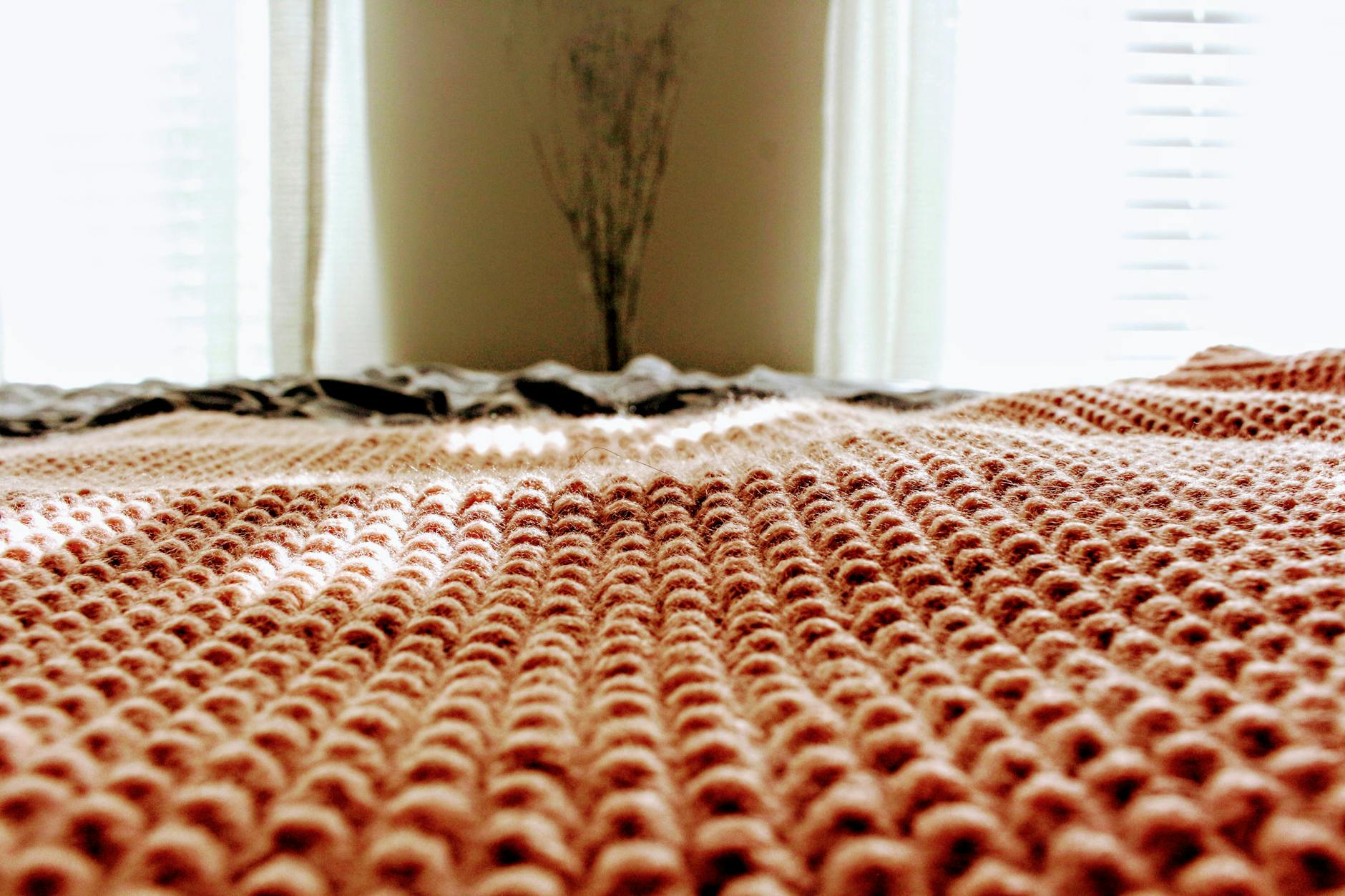
Texture is the microscopic topography of the fabric weave; it dictates how light interacts with the surface and how skin registers contact. A high-pile, fuzzy texture creates visual depth and invites tactile exploration. Conversely, a tightly woven, smooth surface offers a more refined, minimalist feeling. For instance, chunky knits or bouclé fabrics introduce significant physical dimension. This three-dimensional effect catches ambient light in complex ways, adding visual richness to an otherwise flat arrangement.
We examine the yarn structure itself. Wool fibers possess a natural crimp that traps air efficiently, offering superior thermal regulation. Cotton offers softness and breathability, making it ideal for rooms requiring lighter visual weight. Synthetic blends introduce specific properties related to durability and sheen. When **choosing throw blanket for coziness**, assessing the weave is paramount because the tactile feedback is immediate and visceral. We find that the scale of the yarn impacts perceived luxury; thicker, loftier yarns inherently communicate a sense of enveloping comfort.
The Physics of Weight: Thermal Regulation in Textiles
The weight of a throw blanket directly correlates with its insulating capacity. This is a fundamental principle of thermodynamics applied to interior design. A heavier blanket possesses greater mass, which translates into superior thermal inertia. It resists rapid temperature fluctuations, slowing the rate at which heat escapes from the body into the cooler ambient air. In practice, this means a weighted blanket, or a densely woven wool throw, functions as an external thermal buffer.
We analyze the density measurement, often expressed in ounces per square yard (or grams per square meter), as the primary metric for weight assessment. For significant coziness, we look toward higher-density materials. A lighter blanket offers a soft visual suggestion of warmth but provides minimal actual thermal resistance. A heavy blanket actively manages ambient temperature by creating a microclimate around the user. This principle is vital when considering how we layer textiles for cozy living rooms, ensuring that the chosen piece contributes functionally to the room’s overall thermal envelope.
Color Psychology and Visual Impact
Color selection influences the emotional resonance of the space more profoundly than any single material choice. Certain hues elicit specific psychological responses related to warmth and calm. Deep, saturated tones—such as charcoal, deep navy, or burnt umber—absorb light and create an enveloping sense of enclosure. These colors visually deepen a space, enhancing the feeling of coziness by reducing visual distraction. Lighter, airy tones, like cream, soft beige, or pale sage, reflect more ambient light, creating an expansive, gentle warmth.
We must consider the interplay between the blanket color and the surrounding décor. A deep jewel-toned throw anchors a room with drama; a muted neutral brings tranquility. Observing how these colors interact with natural light reveals their true effect on the perceived coziness level. The visual weight of the color selection works in tandem with the physical weight of the material to deliver a complete sensory experience.
Material Deep Dive: Wool, Cotton, and Beyond
The material composition dictates performance. Wool remains an exceptional choice due to its natural ability to manage moisture and provide excellent insulation even when damp. Its fibers trap air effectively, offering warmth without excessive bulk. Cotton excels in breathability; it allows air circulation, which is crucial for regulating body temperature during lounging. However, cotton can feel less thermally insulating than wool under extreme cold.
Synthetic fibers offer durability and specific textural finishes, but their thermal regulation properties require closer examination based on the blend percentage. When evaluating **choosing throw blanket for coziness**, we analyze the intended use: is this for draping over a sofa in a cool evening, or is it for layering during a chilly morning? The intended function dictates whether superior insulation (wool) or superior breathability (cotton) takes precedence.
Integrating Textiles: Mastering the Art of Layering
Creating true coziness relies on strategic textile layering. This technique acknowledges that no single item achieves total comfort; rather, comfort emerges from the cumulative effect of overlapping textures and weights. Think about building an intentional cocoon. Start with a foundational layer, perhaps a smooth linen sheet or a simple cotton throw. Then introduce a mid-layer, a heavier knit blanket for core warmth. Finally, top it with a textural accent piece—a chunky wool blanket or a velvet runner—to introduce the final tactile indulgence.
This layering process manages thermal transitions effectively. It allows you to adjust insulation precisely where you need it most. When executing this strategy, we see an increase in perceived coziness because the sensory experience becomes rich and multi-faceted rather than singularly soft. This layered approach transforms a simple surface covering into an immersive environment. We also find that pairing textures across different materials enhances the overall depth of the visual field.
Practical Application: Contextualizing Your Choices
The environment surrounding the blanket profoundly affects its perceived coziness. Consider where the blanket resides. A thick, heavy throw works wonderfully on a deep-seated sofa or an armchair, creating defined zones of warmth. Conversely, a lighter, airier textile might be better suited for a bed setup or a window seat where airflow is more desirable. We see this principle apply even to surrounding elements; if you are styling your living area, ensuring that adjacent surfaces—like those cozy kitchen countertops styled with natural textures—share a similar material philosophy reinforces the desired atmosphere across the entire space.
The choice must serve the function of coziness within the specific context. Do not select based solely on appearance alone. Engage with the physical properties—the density, the weave, the color depth—to ensure the blanket actively contributes to your desired feeling of enveloping comfort. This analytical approach transforms a simple purchasing decision into an act of intentional interior design.
Tags: throw blanket guide, home decor, cozy living, blanket selection, decor tips, texture and color, homedecor
Featured Image by Jenna Hamra on Pexels.